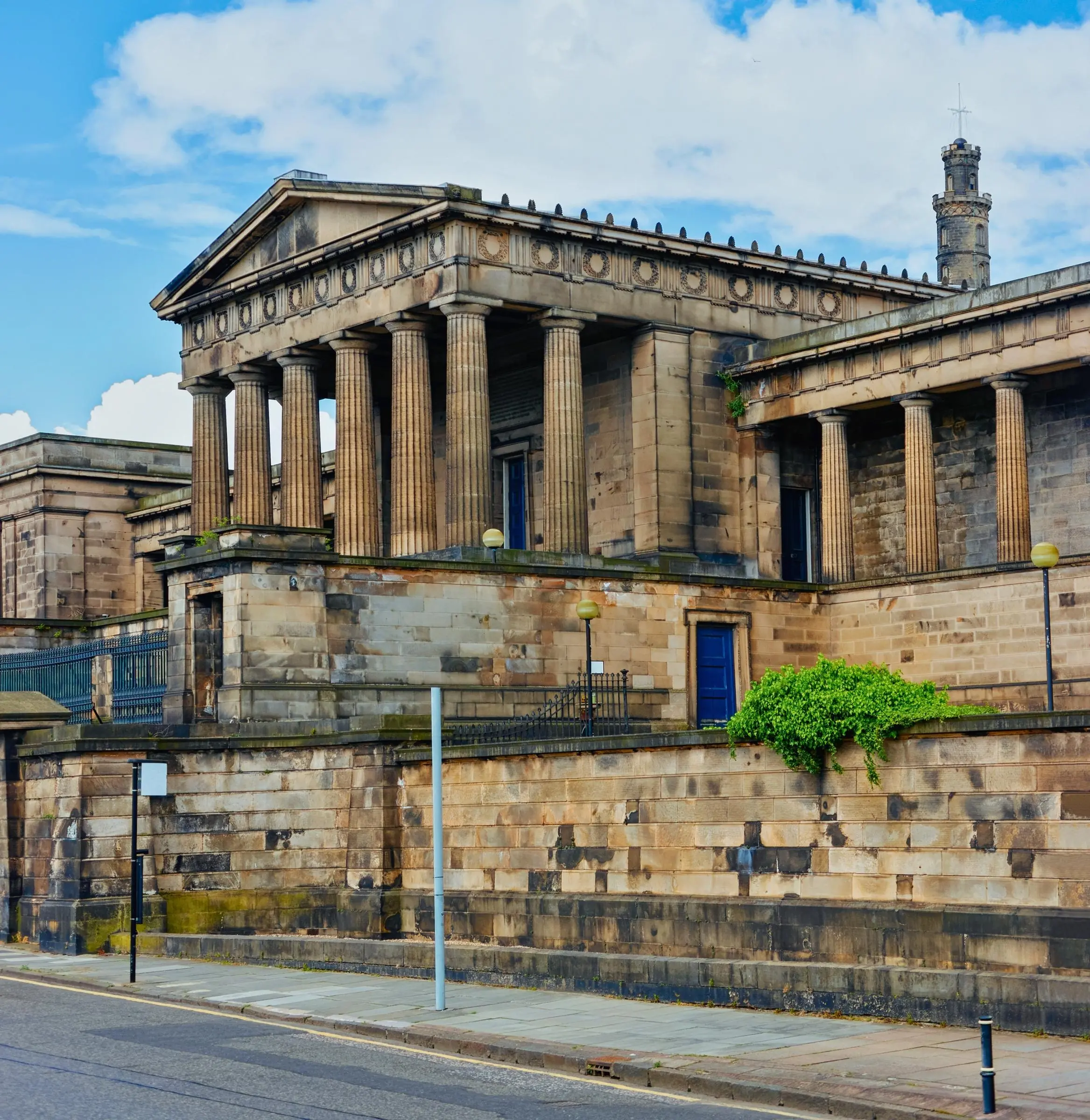
Edinburgh is a city built on layers of history, but few places expose its literal guts quite like the Surgeons’ Hall Museums. Housed within the prestigious Royal College of Surgeons of Edinburgh on Nicolson Street, this is not your typical tourist attraction. It is a vast, unflinching, and deeply fascinating archive of human anatomy, pathology, and the brutal evolution of modern medicine.
If you have a strong stomach and a curious mind, this museum offers a profound look at how we came to understand the human body. From the gruesome reality of pre-anesthetic surgery to the city’s notorious grave-robbing past, here is exactly how to navigate Surgeons’ Hall.
Is Surgeons’ Hall for You?
This museum is highly specific, and it is crucial to know what you are walking into before you buy a ticket.
- For Families: Think carefully before bringing children. The museum contains thousands of real human specimens, including diseased organs, skeletal remains, and fetal anomalies preserved in fluid. While educational, it is graphic. Most locals recommend this only for mature teenagers (14+) who have a genuine interest in science or history.
- For the Time-Poor: If you only have an hour, head straight upstairs to the Wohl Pathology Museum. The sheer visual impact of the historic glass jars lining the upper galleries is the most memorable part of the building.
- For Budget Travelers: At around £9 for an adult ticket (with concessions available for students and seniors), this is one of the most affordable indoor attractions in Edinburgh. It offers excellent value compared to the more commercialized dark history attractions in the Old Town.
Strict No Photography Rule Out of respect for the human remains on display, photography and videography are strictly forbidden anywhere inside the museum galleries. Staff monitor the rooms closely, and you will be asked to leave if you are caught taking pictures. Keep your phone in your pocket.
Logistics and Entry Rules
Surgeons’ Hall is located at Nicolson Street (EH8 9DW), just a 10-minute walk south of the Royal Mile.
Getting There: If you are using public transport, Lothian Buses lines 2, 3, 5, 7, 8, 14, 29, 30, 31, 33, 37, 47, and 49 all stop directly outside at the “Surgeons’ Hall” bus stop.
Tickets: Unlike many major Edinburgh attractions, Surgeons’ Hall does not currently partner with third-party ticket platforms. You can buy tickets directly at the front desk upon arrival or via their official website.
While you can’t book Surgeons’ Hall tickets here, the museum perfectly sets the stage for Edinburgh’s macabre past. After your visit, we highly recommend taking a guided walking tour to see where the body snatchers actually operated.
Edinburgh’s Dark Medical Past: The Burke and Hare Connection
To understand Surgeons’ Hall, you have to understand 19th-century Edinburgh. The city was the leading medical center of the world, which created a massive, legal problem: anatomy lecturers needed human bodies to dissect, but the law only allowed them to use the corpses of executed criminals. Demand vastly outstripped supply.
This led to the rise of the “Resurrection Men”—grave robbers who dug up fresh corpses from places like Greyfriars Kirkyard to sell to anatomists.
The most infamous figures of this era, William Burke and William Hare, took it a step further. They didn’t bother digging up graves; they simply murdered 16 people in 1828 and sold their bodies to Dr. Robert Knox, a prominent anatomy lecturer. While Knox’s personal collection isn’t the sole focus of the museum, the shadow of Burke and Hare looms large over the History of Surgery galleries.
If you want to dive deeper into this specific era of grave robbing, the Doom, Dead & Buried: Underground Vaults & Graveyard Tour or the Dark Secrets of the Old Town ghost walking tour are excellent follow-up activities that take you into the city’s historic wynds and cemeteries.
Deep-Dive: 5 Museum Highlights
The museum is split into several distinct zones. Here are the five areas you should prioritize during your visit.
1. The Wohl Pathology Museum
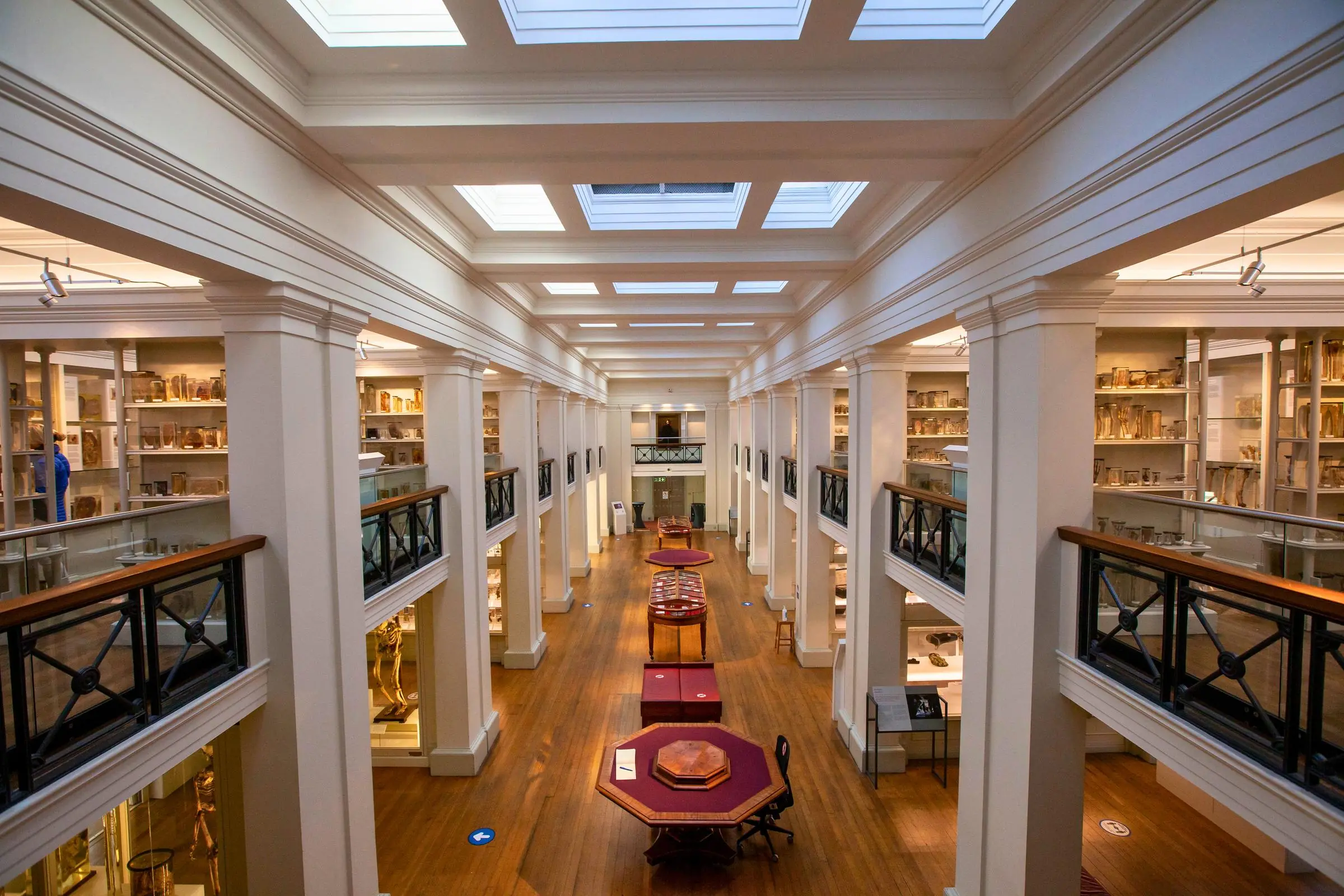
Located on the upper floor, this is the visual centerpiece of Surgeons’ Hall. It is one of the largest and most historic collections of surgical pathology in the world. The room is a stunning, sky-lit Victorian gallery lined with thousands of glass jars containing preserved human tissue, organs, and tumors.
Originally assembled to help medical students recognize diseases before the invention of X-rays or MRI machines, the collection is both beautiful and deeply unsettling. You will see the physical ravages of tuberculosis, syphilis, and various cancers exactly as 19th-century doctors saw them.
2. History of Dissection Displays
On the lower floors, the History of Surgery Museum traces the evolution of medical practice. A major highlight is the section dedicated to the history of dissection. You’ll learn how early anatomists operated in secret, the transition from barbers (who used to perform surgeries because they had sharp blades) to professional surgeons, and the eventual passing of the Anatomy Act of 1832, which finally provided a legal supply of cadavers and ended the grave-robbing trade.
3. Early Surgical Tools Collection
Before 1846, there was no reliable anesthesia. Before 1867, there was no concept of antiseptic surgery. This meant that a surgeon’s most valuable skill was speed.
The museum’s collection of early surgical tools is a chilling reminder of this era. You will see heavy amputation saws, bone-crushing forceps, and trepanning drills used to bore holes into the skull. Looking at these instruments, and reading the accounts of patients who had to be held down while their limbs were removed in under two minutes, gives you a profound appreciation for modern medicine.
4. The Burke Pocketbook
Perhaps the most macabre single artifact in the entire museum is a small, dark brown pocketbook. Following the discovery of Burke and Hare’s murders, Hare turned King’s evidence and went free, while William Burke was hanged in 1829.
In a dark twist of irony, Burke’s body was publicly dissected by Professor Alexander Monro. His skeleton remains at the nearby University of Edinburgh Anatomy Museum, but Surgeons’ Hall holds a pocketbook made entirely from Burke’s tanned skin, stamped with the date of his execution. It is a grim, unforgettable piece of Edinburgh’s history.
5. Interactive Diagnostic Zones
To balance the historical grimness, the museum has integrated modern, interactive zones. These areas allow you to step into the shoes of a surgeon. Using touchscreens and synthetic body models, you can attempt to diagnose historical patients based on their symptoms, or learn how modern laparoscopic (keyhole) surgery is performed. It’s a great palate cleanser that brings the narrative back to the life-saving miracles of contemporary medicine.
Keep Planning: If you are fascinated by Edinburgh’s grim history, consider visiting The Real Mary King’s Close or the Blair Street Underground Vaults to see how the city’s poorest residents lived during the plague years.
Local Tips for Visiting
- Eat Before (or Long After): It sounds like a joke, but looking at preserved digestive tracts and bone diseases can suppress your appetite. Grab a coffee and a pastry at a nearby cafe on Nicolson Street before you go in, rather than planning a heavy lunch immediately afterward.
- Beat the Medical Students: The museum is heavily frequented by actual medical students from the University of Edinburgh. To avoid the crowds, visit right when they open at 10:00 AM on a weekday.
- Read the Labels: The museum relies heavily on text. The stories behind the specimens—such as a letter from a patient who survived a pre-anesthetic amputation—are what make the exhibits so impactful. Take your time.
Surgeons' Hall vs. The Edinburgh Dungeon
- Surgeons’ Hall: 100% real history, authentic artifacts, highly educational, quiet and contemplative.
- Surgeons’ Hall: Cheaper entry fee.
- The Dungeon: The Edinburgh Dungeon is theatrical, loud, and uses actors and jump scares. It is entertainment, not a museum.
- The Dungeon: Much more expensive, though better suited for younger kids who want a “spooky” experience rather than a graphic medical one.
Where to Stay Nearby
Surgeons’ Hall is located in the Southside, right on the edge of the Old Town. This is a fantastic, vibrant area to base yourself in, packed with university students, independent cafes, and excellent transport links. It is slightly cheaper than staying directly on the Royal Mile, but still within a 10-minute walk of major sights.
Use this map to find accommodations near Nicolson Street and the Royal College of Surgeons:
Frequently Asked Questions
How long does it take to go through Surgeons' Hall?
Most visitors spend between 1.5 and 2 hours exploring the galleries. If you are a medical professional or a deep history enthusiast who reads every plaque, allow up to 3 hours.
Are the body parts on display real?
Yes. The vast majority of the specimens in the Wohl Pathology Museum and the anatomy displays are real human remains, preserved in fluid or as skeletal preparations. They were collected over centuries for medical education.
Can I take photos inside?
No. Photography and video recording are strictly prohibited in all gallery spaces. This rule is enforced out of respect for the human remains on display. You can take photos in the reception area and the exterior courtyard.
Is the museum wheelchair accessible?
Yes. Despite being a historic building, Surgeons’ Hall has been modernized with lifts providing access to all floors, and accessible toilets are available on-site.
Is there a cafe at the museum?
Yes, Café 1505 is located right next to the museum entrance. It serves excellent coffee, light lunches, and cakes, making it a good spot to decompress after your visit.
Is this the same place as the Anatomy Museum with Burke's skeleton?
No. William Burke’s skeleton is housed at the University of Edinburgh’s Anatomical Museum, which is a separate institution nearby (and is only open to the public on very specific open days). Surgeons’ Hall holds the pocketbook made from Burke’s skin.