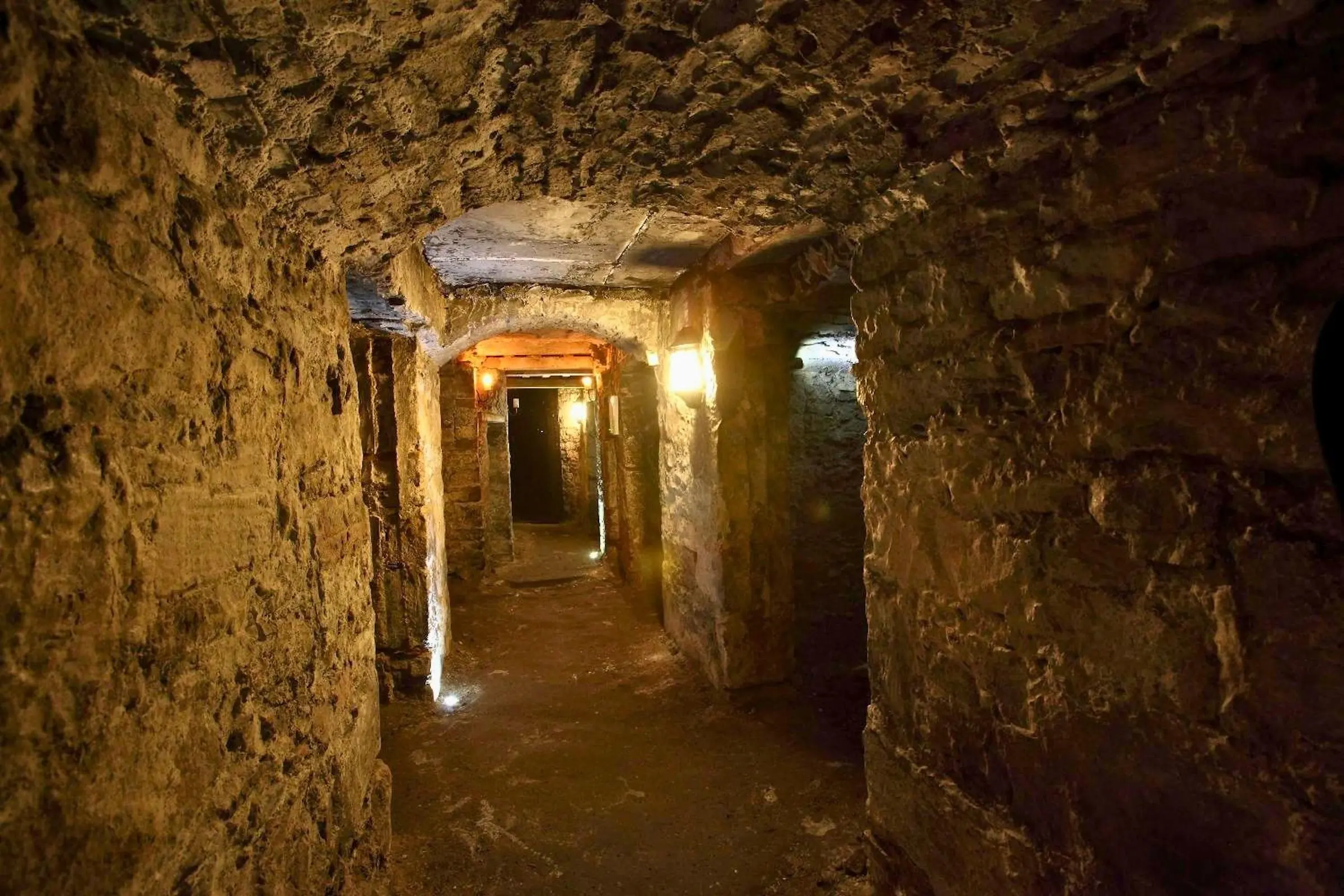
Beneath the bustling pavement of Edinburgh’s Royal Mile lies a warren of forgotten streets. For centuries, rumors circulated about a sealed-off underground city where plague victims were walled up and left to die. While the myths are exaggerated, the reality of The Real Mary King’s Close is far more interesting: it is an actual 17th-century neighborhood that was deliberately buried intact to serve as the foundation for a new civic building.
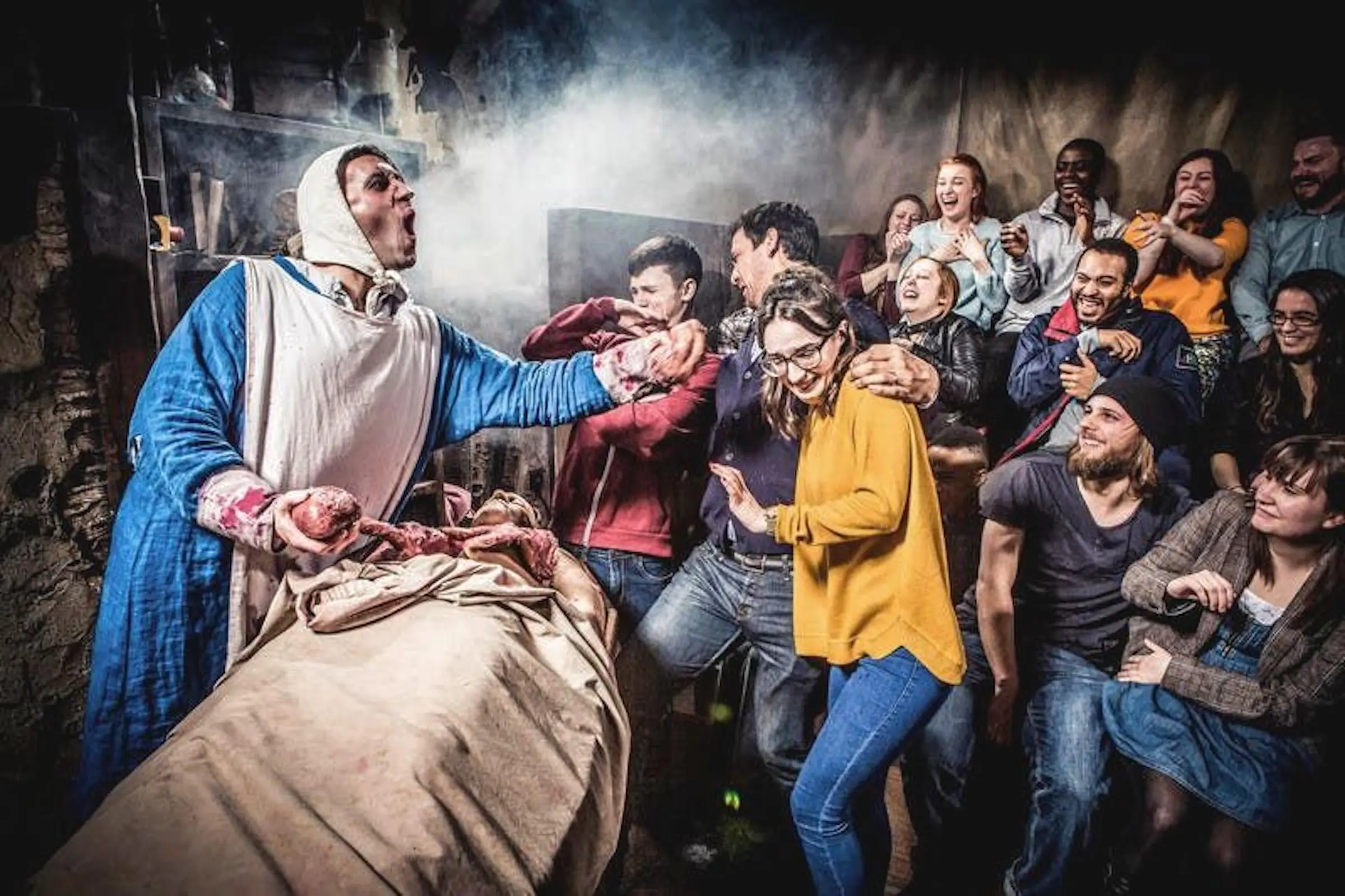
Today, this subterranean time capsule is one of Edinburgh’s most popular historical attractions. Unlike the jump-scare actors you will find at the Edinburgh Dungeon, Mary King’s Close focuses on historical accuracy. You are walking through real homes, real alleyways, and real workspaces that have not seen natural daylight since 1753.
Because access is strictly limited to guided groups to preserve the site, entry tickets sell out consistently. This guide covers exactly what you will see, how to choose the right tour, and practical advice for navigating the underground environment.
How a Street Got Buried: The Historical Context
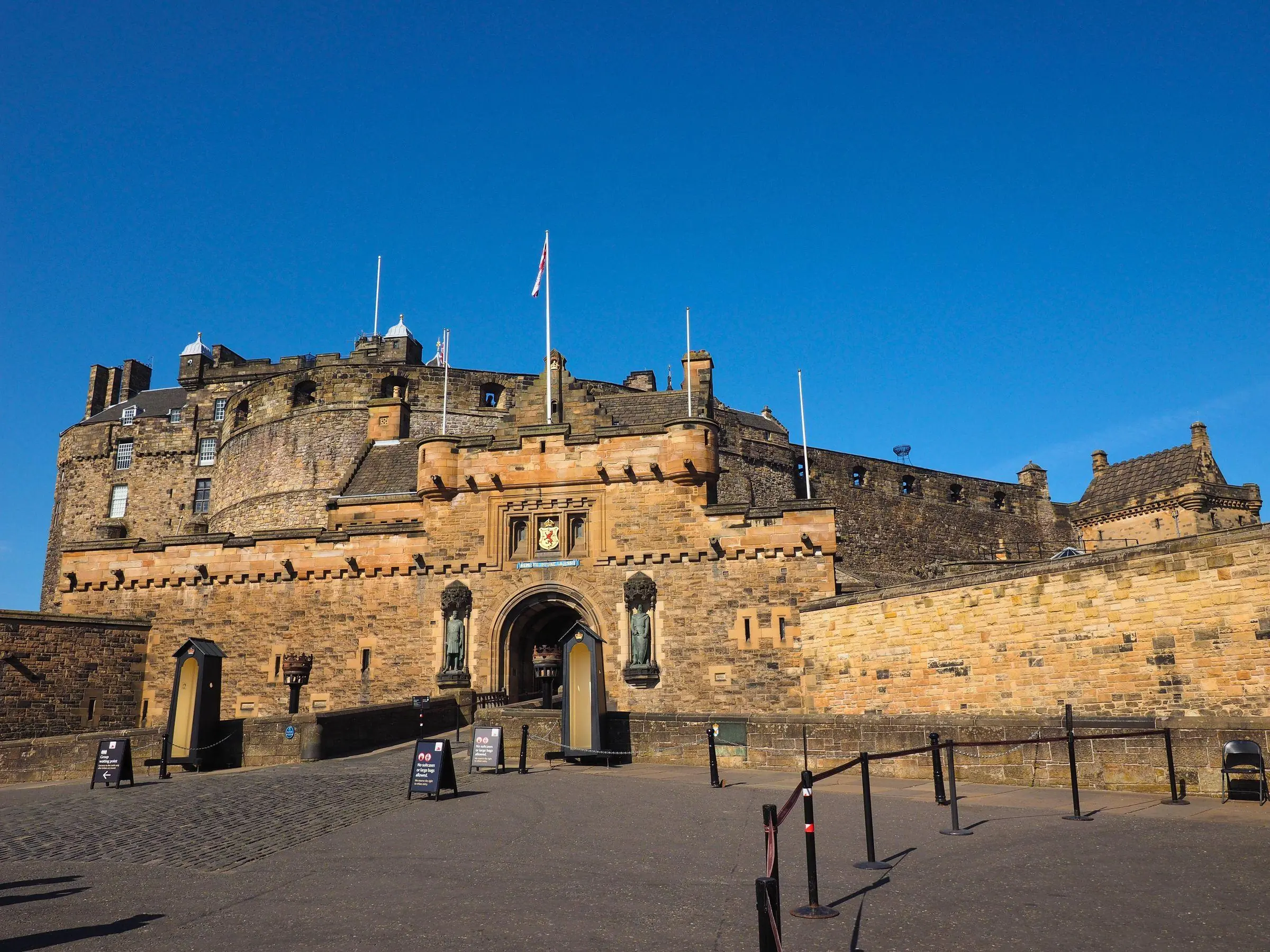
To understand Mary King’s Close, you have to understand Edinburgh’s geography. The Old Town was built on the steep, narrow tail of an extinct volcano leading down from Edinburgh Castle. Constrained by a defensive wall and a loch, the city could not expand outward. Instead, it built upward.
By the 1600s, Edinburgh was a crowded, unsanitary metropolis of early “skyscrapers”—tenement buildings reaching up to eight stories high. The main thoroughfare, the High Street, was connected to the lower parts of the city by narrow, steep alleyways called “closes.” Mary King’s Close was one of these bustling, open-air streets.
In 1753, the city decided to build a new Royal Exchange (now the City Chambers). Instead of demolishing the buildings on Mary King’s Close, builders simply chopped off the top floors, used the lower floors as foundations, and built the Royal Exchange directly on top. The lower levels of the close were sealed off, preserving the 17th-century street layout in the dark.
The Real Mary King’s Close operates strictly via timed guided tours. Walk-up tickets are rarely available, especially between May and September. Book your time slot at least a week in advance.
5 Architectural & Cultural Highlights
The standard guided tour takes you through a specific path of preserved rooms and alleyways. Here is a deep-dive into the five most significant stops on the route.
1. Mary King’s House
It was highly unusual for a street in 17th-century Edinburgh to be named after a woman. Mary King was a prominent merchant burgess who lived on the close in the 1630s. After her husband died, she retained her property rights and ran a successful fabric and sewing business. Her preserved home gives you a clear look at how the middle class lived, featuring original fireplaces and window frames that once looked out onto a busy, sunlit street.
2. The Plague Doctor’s House
In 1645, a devastating outbreak of the bubonic plague wiped out roughly half of Edinburgh’s population. The close was hit hard. During the tour, you will enter the home of a plague victim and learn about Dr. Joannes Politius, the city’s official plague doctor. The exhibit breaks down the grim reality of the disease, the rudimentary treatments used, and the strict quarantine rules enforced by the city council—dispelling the myth that residents were simply bricked into their homes.
3. Annie’s Room
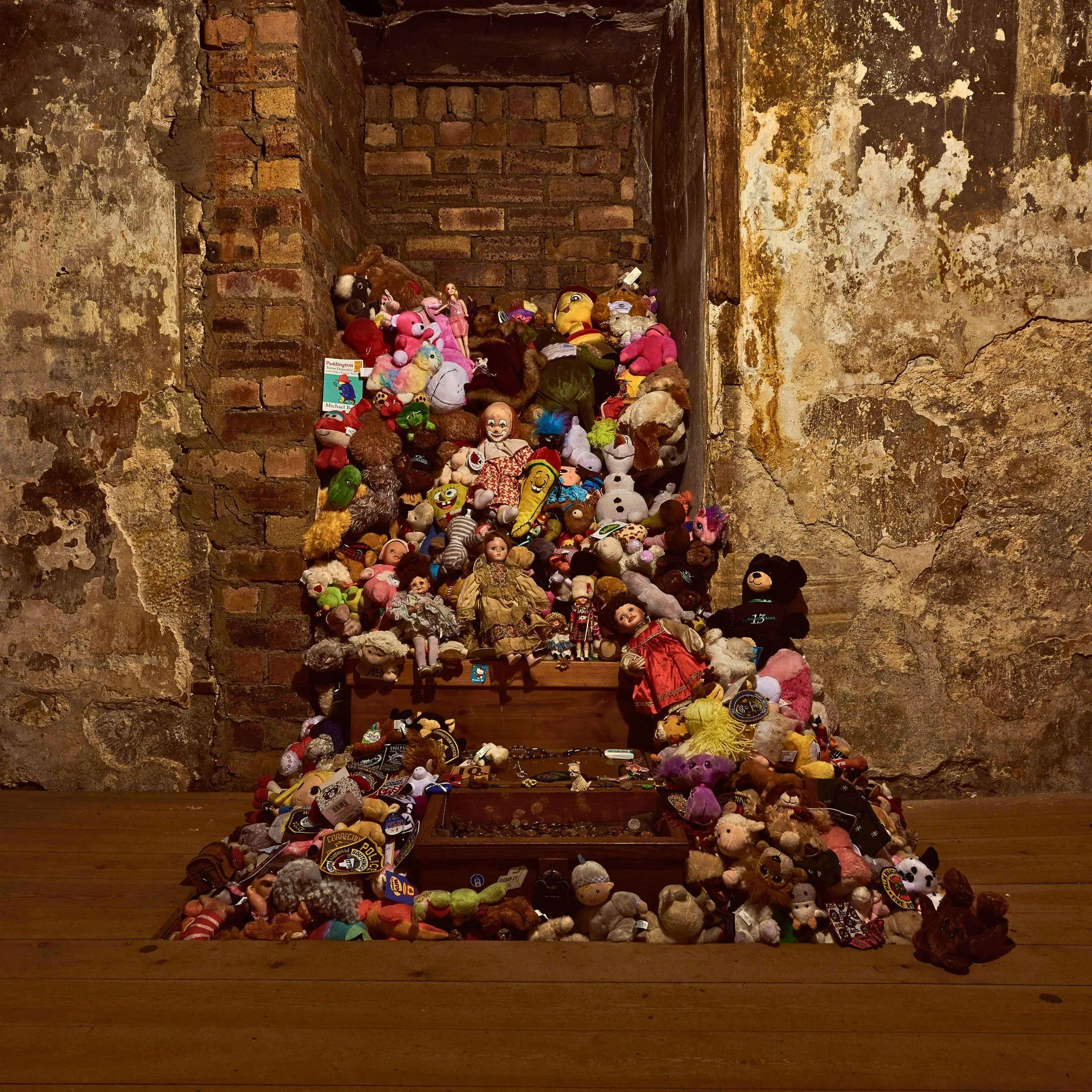
In 1992, a Japanese psychic named Aiko Gibo visited the close and claimed to feel the presence of a young girl named Annie, who had been abandoned by her family because she had the plague. Gibo bought a tartan doll to comfort the spirit and left it in the room. Since then, visitors from around the world have left thousands of dolls, toys, and coins in this specific room. The management regularly clears the toys and donates the money to local children’s charities.
4. The 17th-Century Tenements
As you walk down the steep, uneven cobblestones of the close itself, look up. You will see the original facades of the tenement buildings. Because the street was built on a steep incline, the ground floor at the top of the close was actually the fourth floor at the bottom. The tour guides do an excellent job explaining the “gardyloo” system—how residents disposed of human waste by throwing it out the windows into the street below.
5. The Royal Exchange Vaults
Toward the end of the tour, the architecture shifts dramatically. You move from the domestic 17th-century rooms into massive, arched stone vaults. These were built in the 1750s to support the weight of the Royal Exchange above. The contrast between the cramped, organic living spaces of the close and the heavy, engineered civic architecture of the vaults perfectly illustrates how the street was entombed.
Ticket Options & Tour Paths
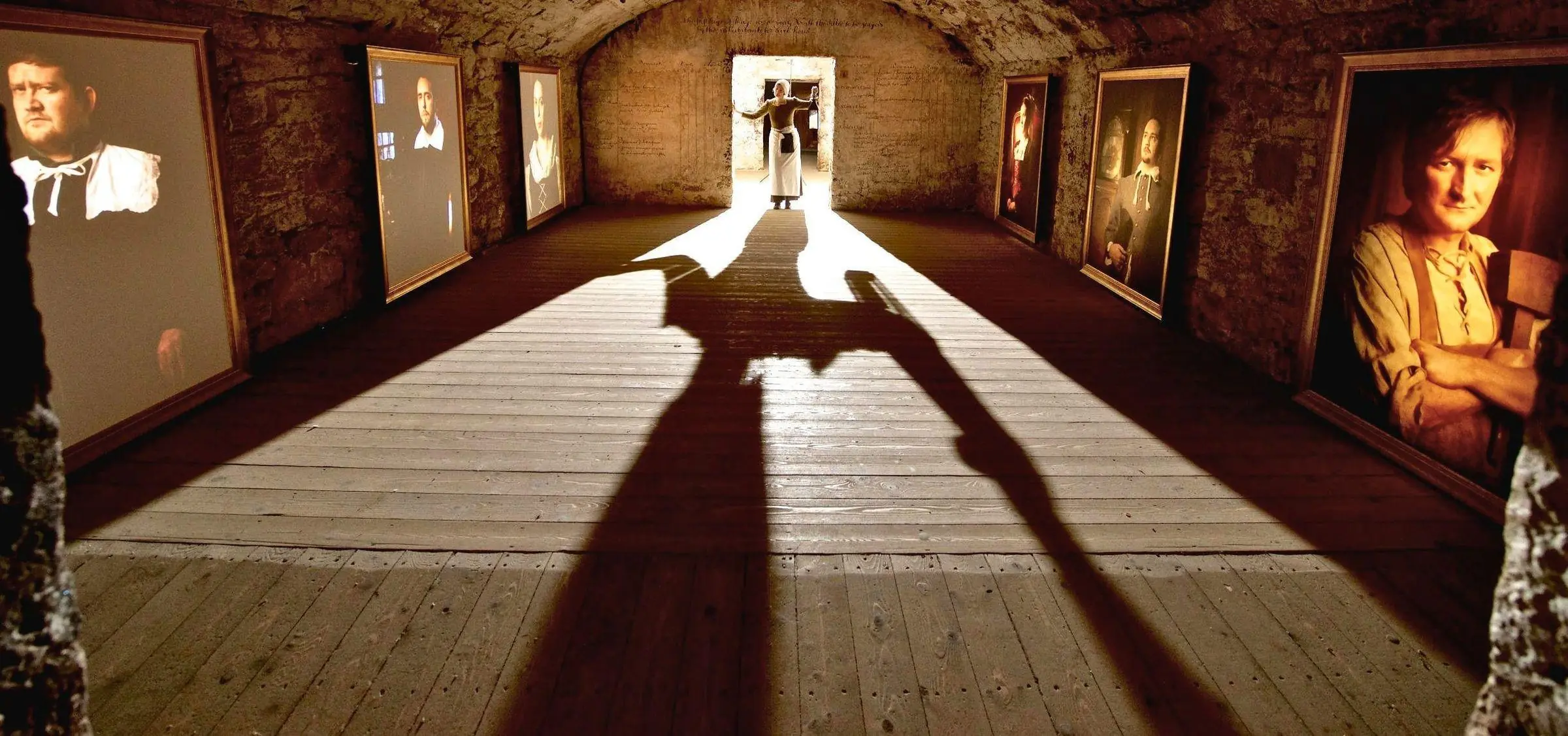
You cannot wander around Mary King’s Close on your own; access is strictly by a 1-hour guided tour led by an actor in character (usually playing a former resident, like a maid or a merchant).
When booking entry tickets, you are booking a specific time slot for this standard tour. However, if you are deciding between Mary King’s Close and other underground experiences, here is how they compare.
The Real Mary King's Close
- Focus: Everyday life, plague history, and preserved homes.
- Vibe: Educational, atmospheric, character-led.
- Location: Directly under the Royal Mile.
- Best for: History buffs, families, and those wanting a factual look at 17th-century life.
Blair Street Underground Vaults
- Focus: 18th-century bridge vaults, body snatchers, and ghost stories.
- Vibe: Dark, spooky, storytelling-focused.
- Location: Under South Bridge.
- Best for: Ghost hunters and fans of macabre tales.
Keep Planning: If you are unsure which underground tour suits you, read our direct comparison: Mary King’s Close vs. Blair Street Vaults.
Audience Segmentation: Is This Tour Right for You?
The underground environment presents some specific challenges. Here is what different types of travelers need to know.
For Families
The tour is engaging for children, but children under 5 are strictly not permitted underground for safety reasons. The environment is dark, and the stories involve disease and death, which might frighten highly sensitive younger kids. However, there are no jump scares or actors jumping out of the shadows.
For the Time-Poor
The tour lasts exactly one hour. Because it runs on a strict schedule, it is very easy to fit into a packed itinerary. Arrive 15 minutes before your time slot. You will be in and out in 75 minutes total.
For Visitors with Mobility Restrictions
Mary King’s Close is not wheelchair accessible. The tour involves descending 58 steep stairs, walking on uneven cobblestones, navigating narrow corridors, and climbing 38 stairs to exit. There are no elevators. If you suffer from severe claustrophobia, the low ceilings and lack of natural light may be uncomfortable.
Logistics & Transit Directions
The entrance to The Real Mary King’s Close is located right on the Royal Mile, making it incredibly easy to reach if you are already exploring the Old Town.
- Exact Location: 2 High Street, Edinburgh EH1 1PG. The entrance is tucked into the courtyard of the City Chambers, opposite St Giles’ Cathedral.
- Walking from Waverley Station: It is a 5-minute walk, but it is entirely uphill. Exit the station toward Market Street, cross the road, and walk up Cockburn Street or the steep Fleshmarket Close steps to reach the High Street.
- By Bus: Take any Lothian Bus that stops at North Bridge or George IV Bridge (e.g., routes 3, 29, 30, 31, 33). From either bridge, it is a 3-minute flat walk to the entrance.
- Hop-On Hop-Off: The Edinburgh Hop-On Hop-Off Bus stops directly on the Royal Mile near the entrance.
Finding the Entrance: Do not look for a street sign saying “Mary King’s Close.” Look for the large arches of the City Chambers courtyard. The ticket office and entrance are on the right side of the courtyard.
Local Tips
- The Strict No-Photo Rule: You are not allowed to take photos or videos anywhere underground. This is strictly enforced by the guides to keep the tour moving and maintain the atmosphere. They will take a souvenir photo of your group in the close, which you can purchase at the end.
- Dress for the Temperature: The underground streets remain at a constant 15°C (59°F) year-round. In winter, it feels warmer than the street above; in summer, it feels like a damp cellar. Bring a light jacket or sweater regardless of the weather outside.
- Wear Sensible Shoes: The 17th-century cobblestones are uneven, and the floors in the rooms can be sloped. Leave the heels at the hotel.
- Avoiding the Crowds: Because capacity is capped per tour group, the underground area never feels overwhelmingly packed. However, the waiting area and gift shop get chaotic mid-day. Book the first tour of the morning (usually 9:30 AM) or the last tour of the evening for a quieter check-in experience.
Where to Stay Nearby
Staying in the Old Town puts you within a 5-minute walk of Mary King’s Close, Edinburgh Castle, and the National Museum of Scotland. Use the map below to find accommodations near the Royal Mile.
Comprehensive FAQ
Is The Real Mary King's Close scary?
No, it is not a haunted house or a scare attraction. There are no actors jumping out at you. It is an atmospheric, historical tour. While the stories cover grim topics like the plague and poor living conditions, the focus is on education rather than fear.
Can I take photos during the tour?
No. Photography and video recording are strictly prohibited once you go underground. This rule prevents bottlenecks in the narrow corridors and protects the copyright of the attraction. A professional photo is taken during the tour which you can buy at the exit.
Are there toilets underground?
There are no toilet facilities on the tour route. You must use the restrooms in the visitor center before your tour begins. Once the tour starts, you cannot easily leave the group to use the bathroom.
How cold is it down in the close?
The temperature underground is a constant, damp 15°C (59°F) regardless of the season. It is highly recommended to bring a light layer, even if it is a hot summer day outside.
Is the tour suitable for young children?
Children under 5 years old are not permitted on the tour for health and safety reasons (uneven ground, steep stairs, and low lighting). For children aged 5 to 12, the tour is generally fine, though the dark environment and stories of the plague may unsettle highly sensitive kids.
How many stairs are there?
The tour involves descending 58 stairs to enter the close and climbing 38 stairs to exit. The route is not wheelchair accessible and is not recommended for those with severe mobility issues.
For more detailed historical context on Edinburgh’s buried streets, you can consult the official archives at Historic Environment Scotland.