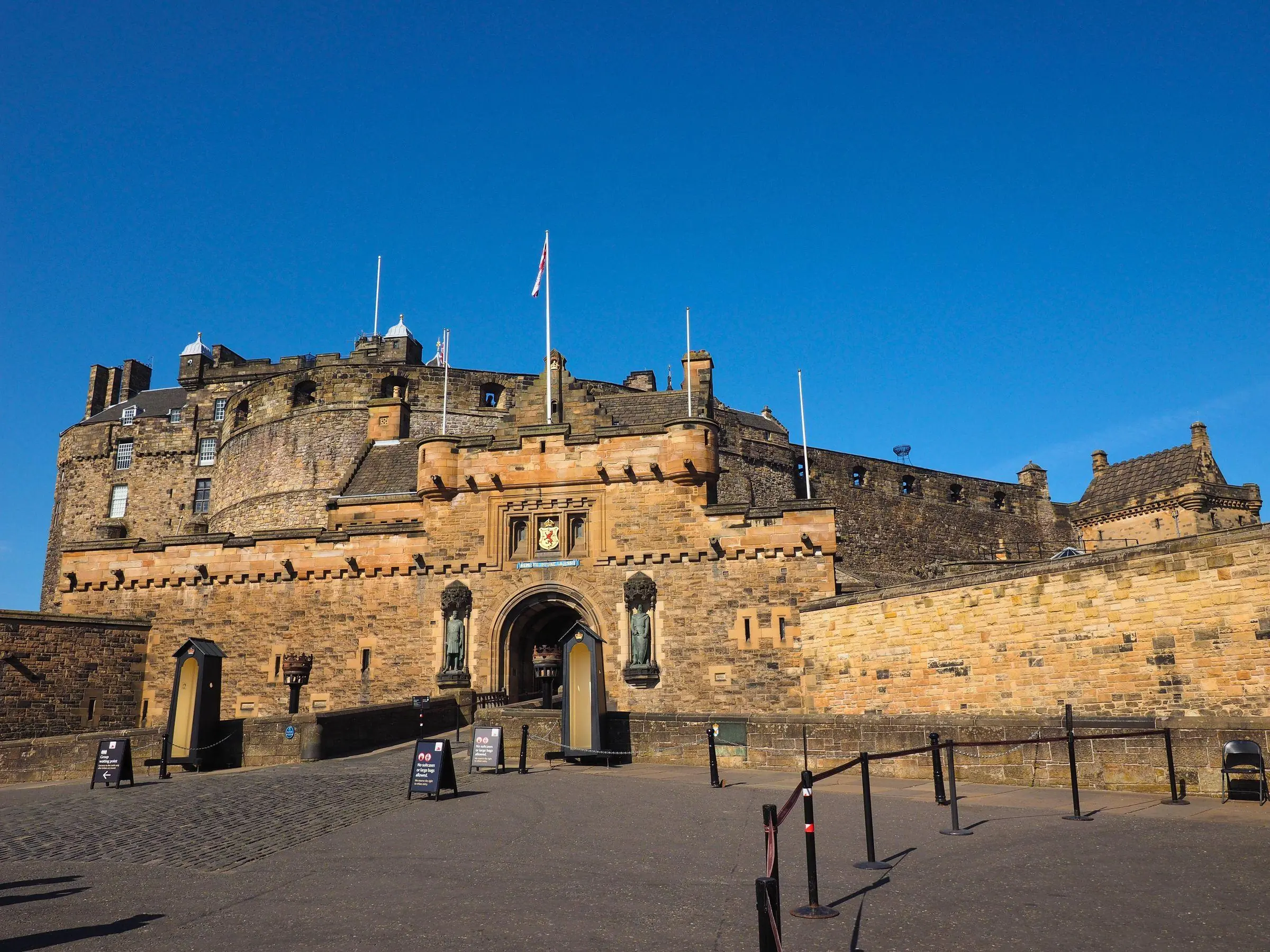
When Edinburgh’s wealthy elite grew tired of the cramped, unsanitary conditions of the medieval Old Town, they moved across the valley to the newly built New Town. The Georgian House, located at No. 7 Charlotte Square, is a meticulously restored townhouse that captures exactly what that transition looked like in 1796.
Operated by the National Trust for Scotland (NTS), this museum doesn’t just show you pretty furniture. It offers a grounded, stark look at the extreme class divides of the era. Upstairs, the Lamont family entertained with expensive teas and imported wines. Downstairs, a small army of servants worked 16-hour days in a sweltering basement to keep the household running.
If you want to understand the social fabric of the Scottish Enlightenment, this house is one of the most effective places in the city to do it.
Who Should Visit The Georgian House?
Because it is a specialized historical museum rather than a massive fortress, The Georgian House appeals to specific types of travelers. Here is how to approach it based on your travel style:
- History & Architecture Buffs: This is a primary text for understanding Robert Adam’s urban planning and the domestic reality of the Scottish Enlightenment. You will want to spend at least an hour reading the room guides and speaking with the volunteer docents.
- Time-Poor Travelers: The house is compact. You can comfortably walk through the three main floors and the basement in 45 minutes. It is an easy addition to a morning spent exploring the New Town or following an Edinburgh Castle entry ticket and guided city walking tour.
- Families with Children: While it looks like a “do not touch” museum, the NTS has made efforts to engage younger visitors. There is an activity room where kids can try on replica 18th-century clothing, handle certain objects, and write with quill pens.
- Budget Travelers: If you are not a member of the National Trust for Scotland (or a reciprocal organization like the National Trust in England/Wales), the entry fee is around £12. If you are on a strict budget, you might prefer to admire the exterior architecture of Charlotte Square for free and spend your money elsewhere.
The Architectural Heritage of Charlotte Square
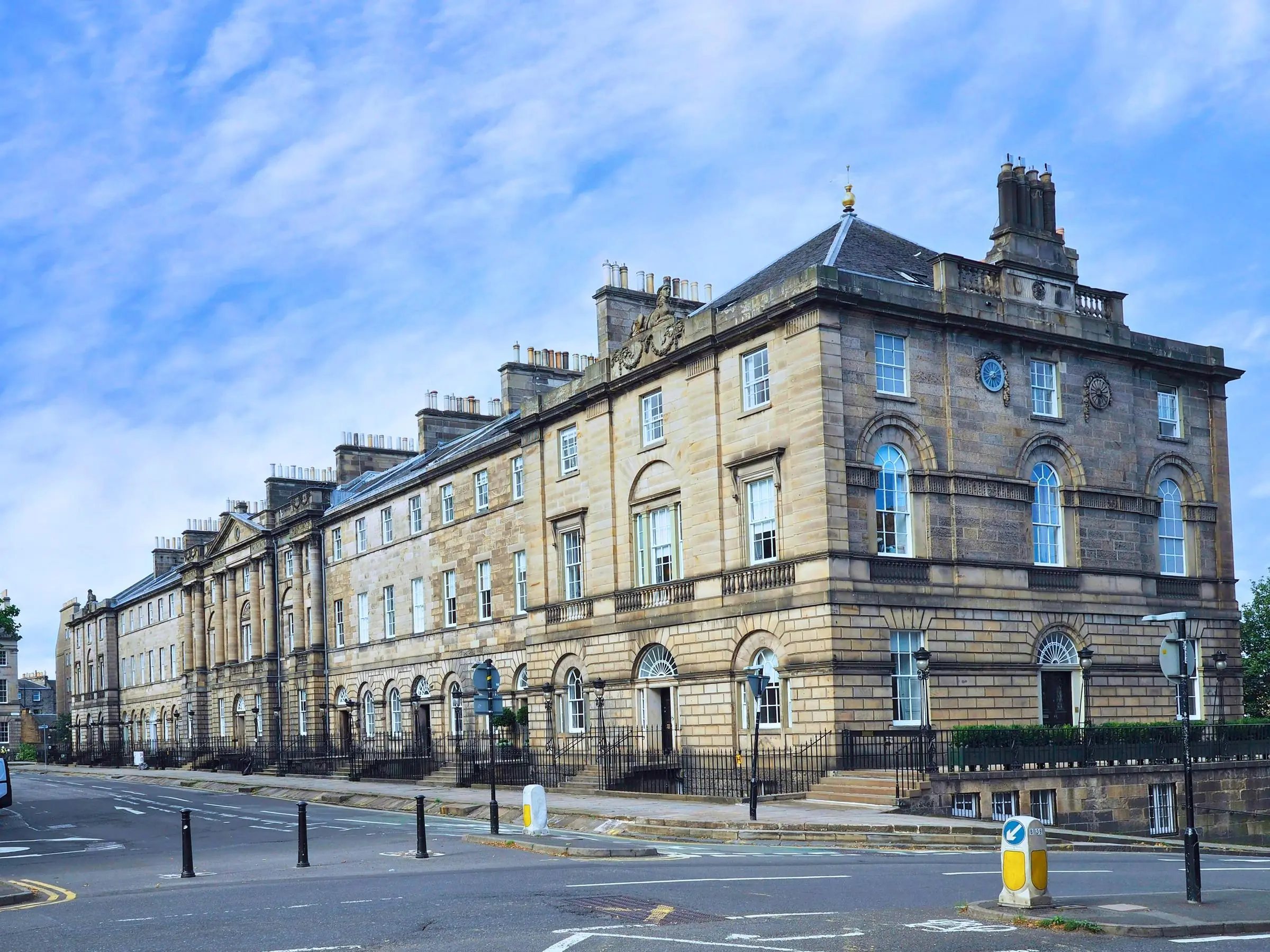
To understand The Georgian House, you have to understand its neighborhood. By the late 18th century, Edinburgh was expanding north. The city council hired a young architect named James Craig to design a grid system—what we now know as the New Town.
Charlotte Square was the western anchor of this grid, designed in 1791 by Robert Adam, the most famous Scottish architect of his day. Adam didn’t design individual houses; he designed the entire square as a unified “palace front.” When you stand in the center garden and look at the north side of the square (where No. 7 sits), it looks like one massive, symmetrical palace rather than a row of separate townhouses.
John Lamont, the 18th Chief of the Clan Lamont, bought No. 7 in 1796 for £1,800. He needed a base in Edinburgh for the winter social season, a place to secure advantageous marriages for his daughters and political connections for his sons. The architecture—wide staircases, high ceilings, and large windows—was specifically designed to facilitate this high-society networking.
The First Town Planning: The New Town is a major reason Edinburgh holds UNESCO World Heritage status. Notice the wide, paved pavements and the iron boot-scrapers by the front doors—these were massive luxuries compared to the muddy, sewage-filled streets of the Old Town.
5 Historical Highlights: A Deep-Dive into No. 7
The house is laid out exactly as it would have been during the Lamont family’s residency. Here are the five most significant areas to focus on during your visit.
1. The Drawing Room (First Floor)
The Drawing Room (short for “withdrawing room”) was the center of high-society entertaining. After dinner, the ladies would withdraw here, soon followed by the men.
The room is flooded with light from massive sash windows overlooking Charlotte Square. Notice the bright, expensive paint colors and the intricate plasterwork on the ceiling. Everything here was designed to show off wealth. Look for the tea caddies on the side tables. In the 1790s, tea was heavily taxed and incredibly expensive. The lady of the house kept the tea locked in these caddies, holding the key herself so the servants couldn’t steal it.
2. The Kitchen (Basement)
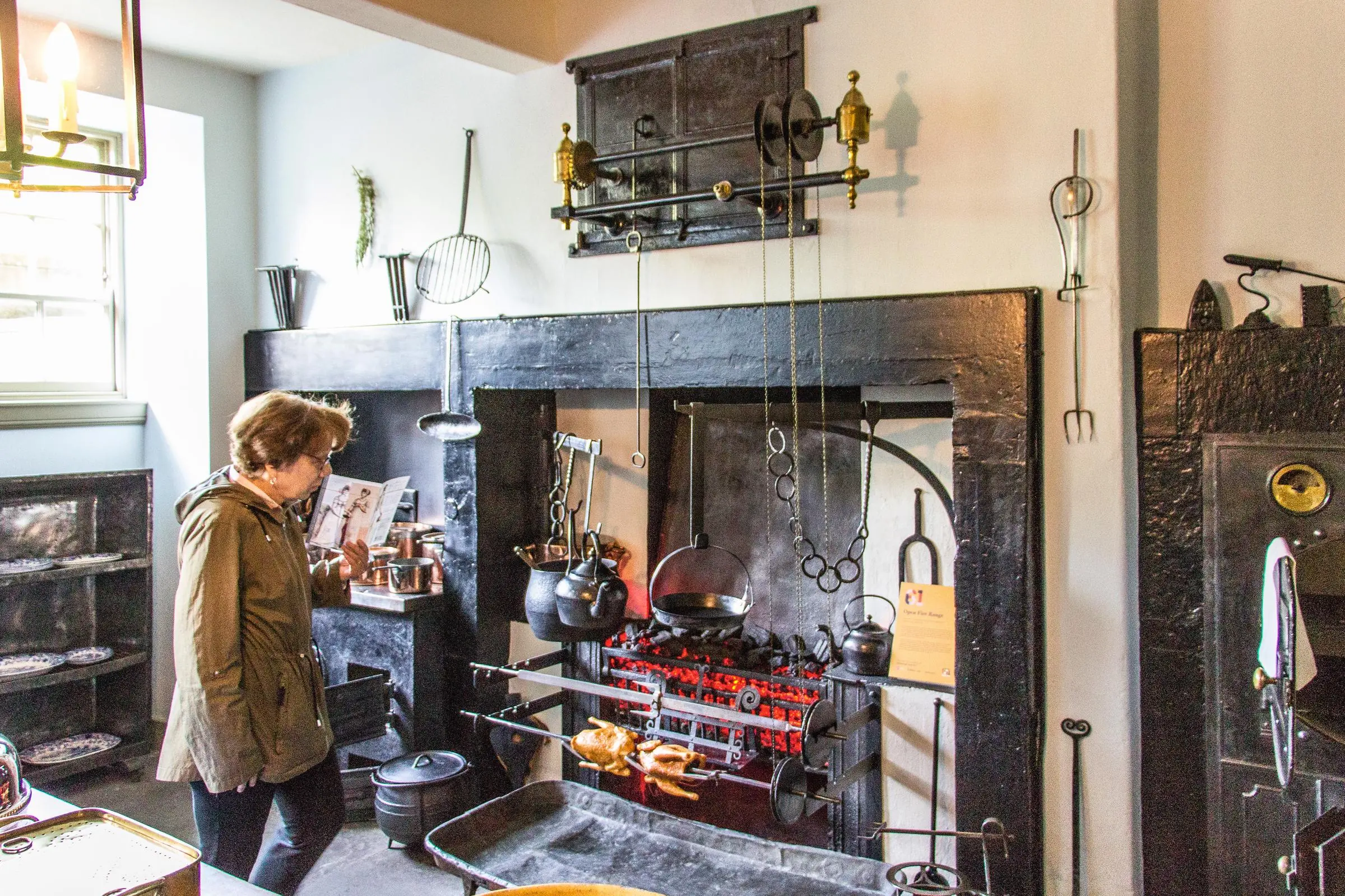
The contrast between the Drawing Room and the basement Kitchen is jarring. This was the domain of the cook and the scullery maids.
The focal point is the massive open roasting range. Before electricity or gas, cooking for a large dinner party over an open fire required immense skill and physical endurance. Look for the “clockwork spit” inside the fireplace. Before this invention, a small boy (or sometimes a specially bred dog on a wheel) had to manually turn the meat so it wouldn’t burn. The clockwork mechanism, driven by heavy weights, was a major technological upgrade.
3. The Master Bedroom (Second Floor)
Located on the second floor, the principal bedroom features a massive, draped four-poster bed. The heavy wool and linen curtains weren’t just for privacy; they were pulled shut at night to keep out the drafts in the freezing Scottish winters.
Pay attention to the washstands. Despite the grandeur of the house, there was no indoor plumbing. Servants had to carry heavy jugs of hot and cold water up three flights of stairs from the basement multiple times a day for the family to wash. Under the bed, you will spot the chamber pots, which the housemaids had the unenviable task of emptying each morning.
4. Period Artwork and Portraits
The walls of the dining room and parlors are lined with portraits of the Scottish Enlightenment’s key figures. The National Trust has curated a collection of paintings by prominent Scottish artists like Allan Ramsay and Sir Henry Raeburn.
These portraits serve as a visual “who’s who” of the era. The subjects are painted in the latest fashions, often holding books or scientific instruments to project an image of intellect and rationality—the core values of the Enlightenment.
5. Mapping the Servant Quarters
The architecture of the house physically enforced the class divide. The family used the grand, sweeping central staircase. The servants used a narrow, dark, uncarpeted back staircase that ran from the basement to the attic.
In the basement hallway, look for the original bell board. Each room in the house had a bell pull connected by a complex system of copper wires to a specific bell on this board. A servant had to learn the different tones of the bells to know instantly which room was calling. The physical toll of running up and down the back stairs to answer these bells, carrying coal, water, and food, was immense.
To fully understand the context of The Georgian House, pair your visit with a guided walk through the surrounding streets.
Ticketing Paths and Logistics
The Georgian House is managed by the National Trust for Scotland. Because it is a smaller, specialized property, ticketing is straightforward, but it helps to know your options.
National Trust Memberships
If you hold an active membership with the National Trust for Scotland, the National Trust (England, Wales, and Northern Ireland), or affiliated international heritage organizations, entry is completely free. Simply present your card at the basement entrance.
Standard Walk-Up Tickets
If you are not a member, you can buy tickets at the door.
- Adults: ~£12.00
- Concessions: ~£9.00
- Families: Discounted family tickets are available. (Note: Prices fluctuate slightly by season, so check the official NTS website for the exact rates for 2026).
Ticketing Summary
Walk-Up Entry
- Buy at the basement entrance.
- Includes access to all open floors and the introductory video.
- Docents available in every room for questions.
NTS / NT Members
- Free entry with a valid membership card.
- Fast-track entry during busy summer months.
How to Get There
The Georgian House is located at 7 Charlotte Square.
- Walking: It is a 10-minute walk from the west end of Princes Street or Edinburgh Castle.
- Tram: Take the Edinburgh Tram to the Princes Street or West End stop. It is a 5-minute walk from either.
- Bus: Numerous Lothian Buses stop on Princes Street and George Street.
- Tour Bus: If you are using the Hop-On Hop-Off Bus, the route stops directly on Charlotte Square, making this an incredibly easy hop-off point.
Local Tips for Your Visit
1. Mind the Bottlenecks The house is a real 18th-century property, which means narrow doorways and tight staircases. During the peak summer months (July and August), it can feel crowded. Visit right when they open at 10:00 AM or after 3:00 PM to avoid the midday rush.
2. Talk to the Room Guides There are no traditional audio guides here. Instead, the NTS places volunteer guides in almost every room. These volunteers are incredibly knowledgeable and love answering questions. Ask them about the specific objects in the room—they often have fascinating, weird historical anecdotes that aren’t on the printed placards.
3. The Basement Entrance Do not try to walk up the grand front steps to the main door—it is locked. The entrance for visitors is down the stone steps into the basement area (the original tradesman’s entrance).
4. Combine with Dean Village Once you finish at The Georgian House, you are only a 10-minute walk from Dean Village, a picturesque former milling village situated on the Water of Leith. The contrast between the rigid, wealthy grid of the New Town and the winding, working-class architecture of Dean Village makes for a great morning itinerary.
Suggested New Town Morning Route
⏱️ Total: 3 hThe Georgian House
Arrive at opening time. Spend an hour exploring the basement kitchen, the family rooms, and watching the short introductory film.
Walk to Dean Village
Exit Charlotte Square, walk down Queensferry Street, and turn down Bells Brae into the valley.
Explore Dean Village
Wander along the Water of Leith, taking photos of the historic Well Court and the old mill buildings.
Lunch in Stockbridge
Follow the Water of Leith walkway north for 15 minutes until you reach the neighborhood of Stockbridge for lunch at a local pub, or head back toward the center to join an Edinburgh guided food tour with lunch and drinks.
Where to Stay in the New Town
Staying near Charlotte Square puts you in the heart of Edinburgh’s most elegant neighborhood. You will be surrounded by high-end restaurants, cocktail bars, and boutique shopping on George Street, while remaining within walking distance of the Old Town.
Use the map below to find accommodations near The Georgian House:
Keep Planning: If you want to explore more of the city’s history on foot, check out our guide to the best historical walking tours or dive deeper into the city’s intellectual history with an Enlightenment walking tour.
Frequently Asked Questions
Is The Georgian House wheelchair accessible?
Accessibility is limited due to the historic nature of the building. There is ramp access to the basement (where the kitchen, shop, and introductory film are located) and a stairclimber is available for access to the ground floor (dining room and parlor). However, there is no elevator to the upper floors (drawing room and bedrooms).
How long does a visit to The Georgian House take?
Most visitors spend between 45 minutes and 1 hour inside the house. If you stop to read every placard and speak extensively with the room guides, you could easily spend 90 minutes.
Are there toilets and a cafe on site?
There are public toilets located in the basement for visitors. There is no cafe on site, but the house is located just steps away from George Street and Princes Street, which are packed with coffee shops, bakeries, and restaurants.
Can you take photographs inside?
Yes, photography without flash is permitted throughout the house for personal use. The drawing room and the kitchen are particularly photogenic.
Is The Georgian House included in the Royal Edinburgh Ticket?
No, The Georgian House is not included in the Royal Edinburgh Ticket, which primarily covers the Castle, Holyroodhouse, and the Royal Yacht Britannia. It is only covered by National Trust memberships.
What is the difference between the New Town and the Old Town?
The Old Town is the original medieval city, characterized by narrow, winding alleys (closes) and tall, crowded tenement buildings. The New Town was built in the late 18th and early 19th centuries as a planned expansion, featuring wide, grid-like streets, private gardens, and elegant Georgian neoclassical architecture.