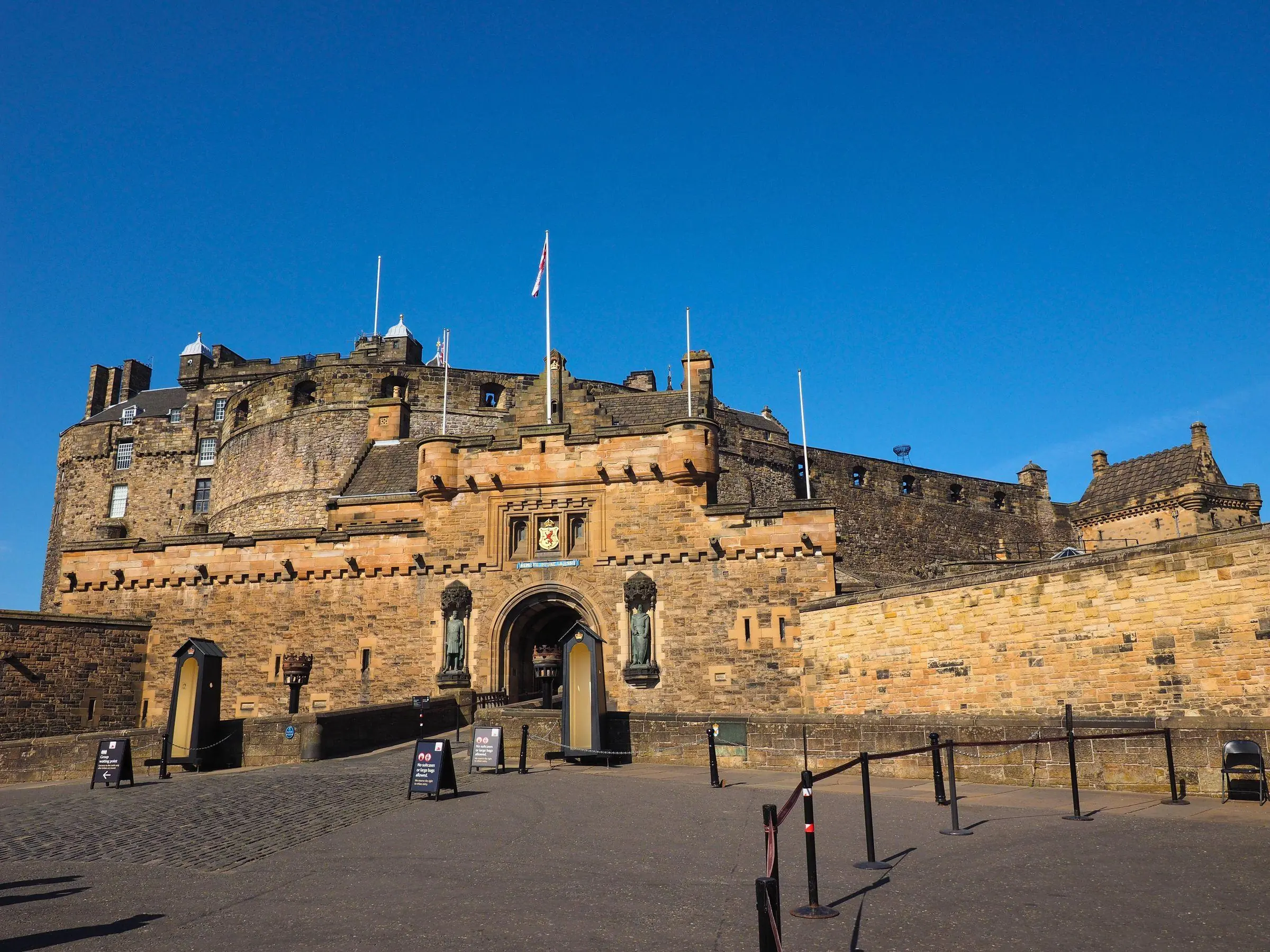
Sitting on a plug of volcanic rock, Edinburgh Castle is impossible to miss. It serves as the visual and historical anchor of the city, marking the top of the Royal Mile. Because of its prominence, it is also the busiest attraction in Scotland.
Visiting the castle requires a bit of strategy. It is not a single building, but a sprawling complex of military barracks, royal palaces, chapels, and museums built over several centuries. The wind up here is notoriously sharp, the cobblestones are uneven, and the queues for the Crown Jewels can test your patience if you arrive at the wrong time.
This guide breaks down exactly how to tackle the fortress, which entry tickets make sense for your trip, and what you should prioritize once you pass the portcullis.
Edinburgh Castle operates on a timed-entry system and regularly sells out days in advance, especially from May to September. Do not expect to walk up to the gate and buy a ticket.
Who Should Visit (And How to Do It)
Different travelers have different constraints. Here is how to approach the castle based on your travel style:
- Time-Poor Travelers: If you only have two hours, skip the military museums. Book a skip-the-line guided tour to get straight to the historical context, then head directly to Crown Square to see the Honours of Scotland and the Stone of Destiny.
- Families with Kids: The sheer size of the castle is great for burning off energy, but the audio guides can be dry for younger children. Focus on the Great Hall (filled with swords and armor), Mons Meg, and time your visit to hear the One O’Clock Gun.
- Budget Travelers: You cannot enter the castle walls for free, but you can walk up the Esplanade right to the gatehouse for excellent views of the city at no cost. If you plan to visit multiple royal sites, look into the Royal Edinburgh Ticket which bundles the castle, Palace of Holyroodhouse, and the Royal Yacht Britannia.
5 Architectural and Cultural Highlights
The castle grounds are extensive. To keep from wandering aimlessly, prioritize these five specific locations.
1. The Honours of Scotland (Crown Jewels)
Housed in the Crown Room, the Honours of Scotland are the oldest Crown jewels in Britain, predating their English counterparts (which were destroyed by Oliver Cromwell). The set includes the Crown, the Sceptre, and the Sword of State.
Local Tip: The line for the Crown Room gets incredibly stuffy and slow-moving by 11:00 AM. If you want to see them without feeling herded, make this your very first stop when the castle opens at 9:30 AM.
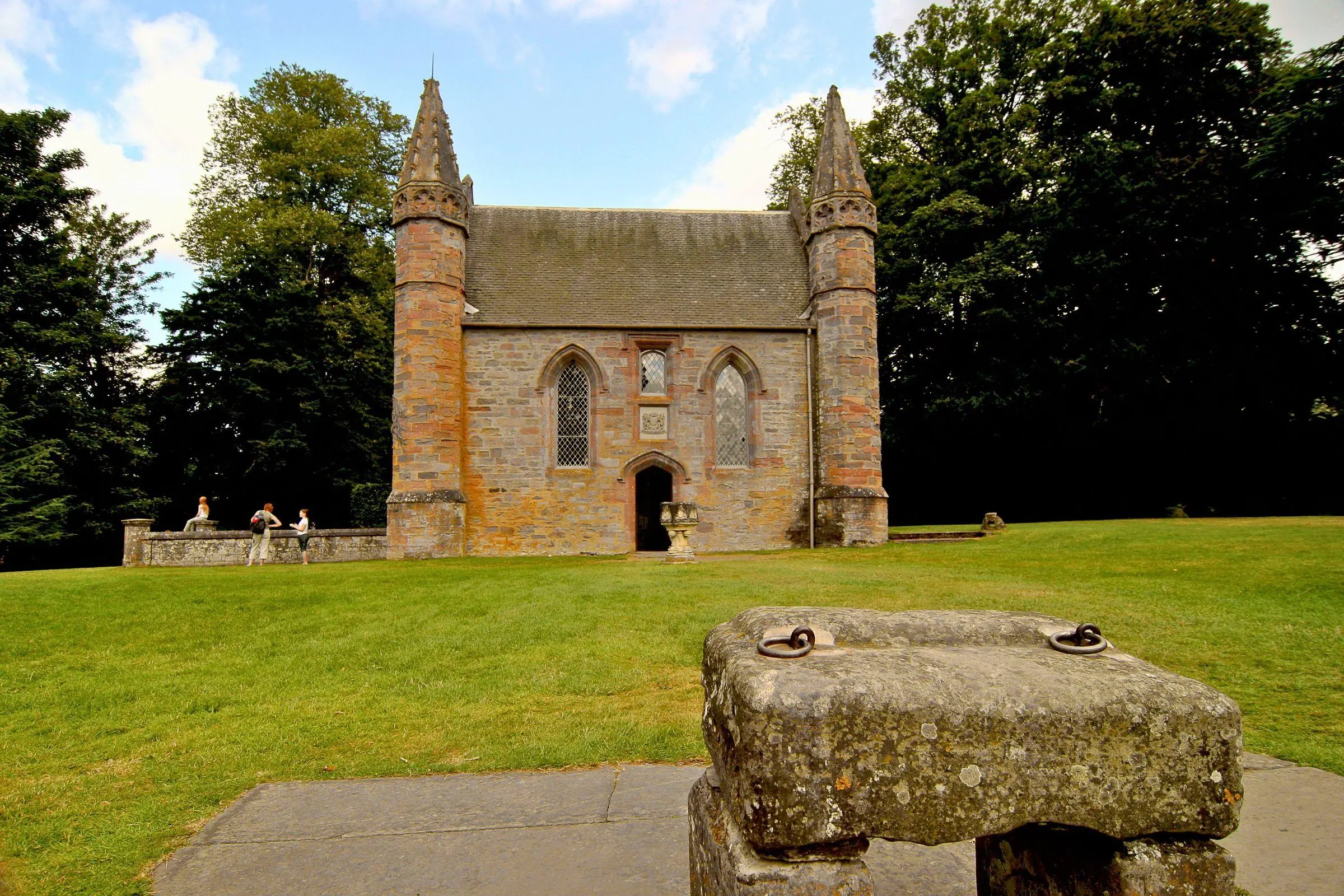
2. The Stone of Scone
Displayed alongside the Crown Jewels is a seemingly ordinary block of red sandstone. This is the Stone of Destiny, the ancient symbol of Scotland’s monarchy, used for centuries in the inauguration of its kings. It was seized by King Edward I of England in 1296 and built into a new throne at Westminster Abbey. It was finally returned to Scotland in 1996, though it is still temporarily transported back to London for British coronations.
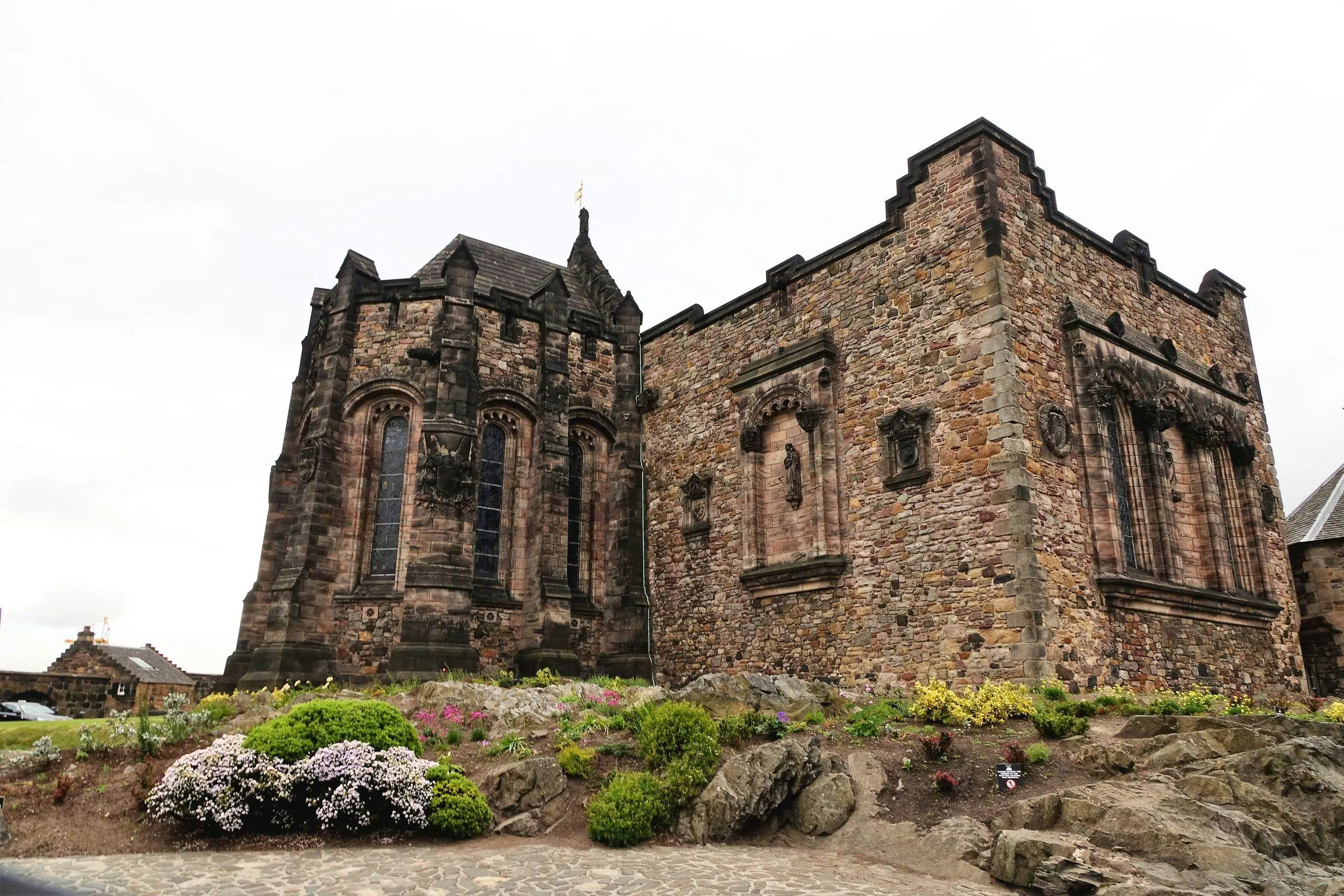
3. St Margaret’s Chapel
This tiny, unpretentious stone building is the oldest surviving structure in Edinburgh, dating back to the 12th century. Built by King David I in memory of his mother, Queen Margaret, it survived the destruction of the rest of the castle by Robert the Bruce in 1314 because he ordered it spared. It only holds about 20 people at a time, and it is still used for weddings and christenings today.
4. Mons Meg
Sitting on the battlements outside St Margaret’s Chapel is Mons Meg, a massive six-ton siege gun gifted to King James II in 1457. It was capable of firing a 150kg stone ball nearly two miles. Its military career ended in 1681 when its barrel burst while firing a salute. Today, it serves as a favorite photo backdrop, offering sweeping views over the New Town and the Firth of Forth.
5. The One O’Clock Gun
Since 1861, a gun has been fired from the castle ramparts at exactly 1:00 PM every day (except Sundays, Good Friday, and Christmas Day). Originally, this was an auditory signal for ships in the Firth of Forth to set their maritime clocks. Today, it is a crowd-pleasing spectacle.
Where to stand: The gun is located at the Mills Mount Battery. Crowds gather by 12:30 PM. For a good view without being crushed against the railing, stand on the raised walkway near the Redcoat Cafe.
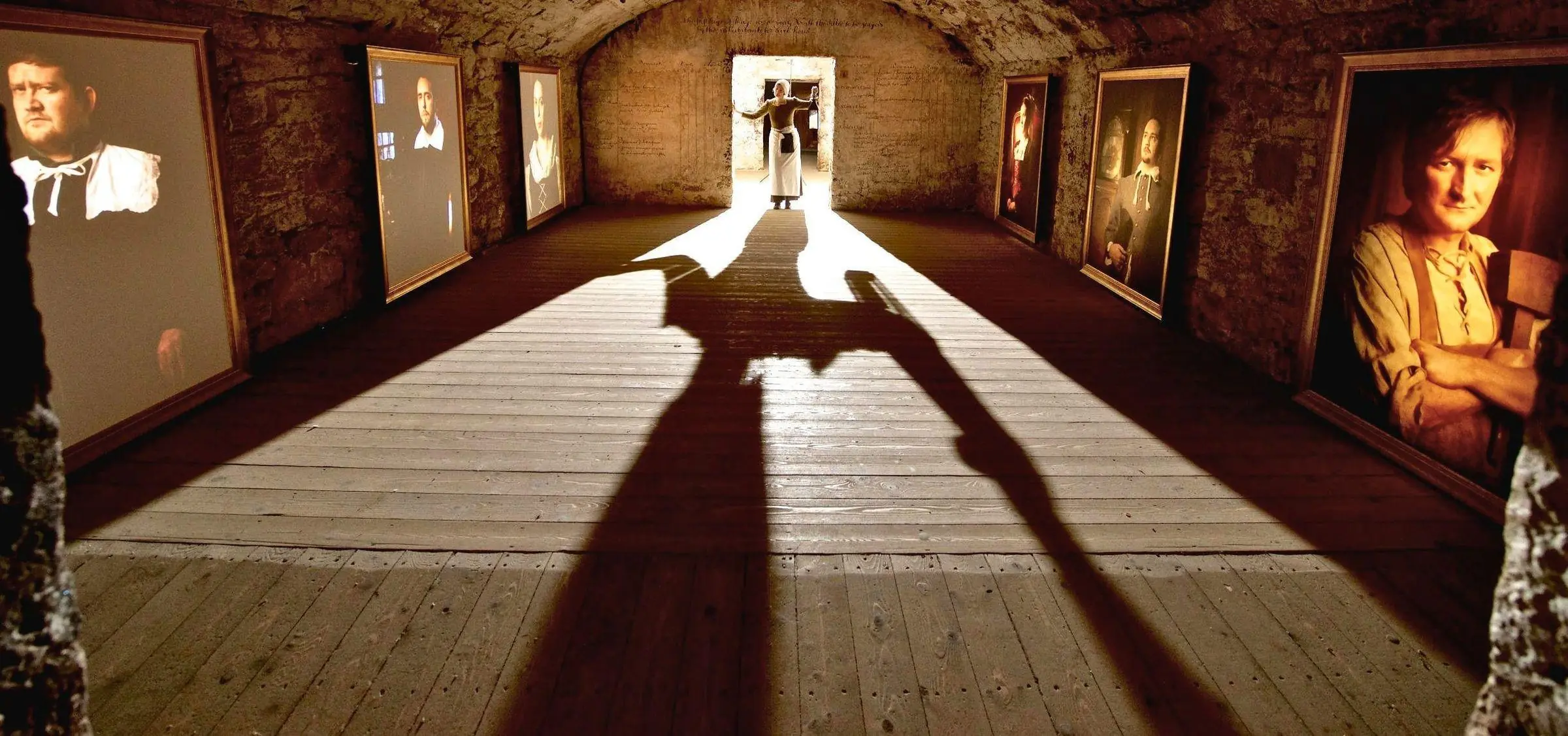
Keep Planning: If you are fascinated by Edinburgh’s dark history, pair your castle visit with a tour of the underground streets at The Real Mary King’s Close, located just a 5-minute walk down the Royal Mile.
Ticket Options: Independent vs. Guided Tour
You have two main ways to see the castle: buying a standard entry ticket and wandering on your own, or booking a guided tour that includes your admission.
Independent Entry Ticket
- Access to all public areas of the castle
- Timed entry slot required
- Audio guide costs extra at the gate
- Best for those who want to move at their own pace
Entry Ticket + Guided Tour
- Includes skip-the-line entry ticket
- 1.5 to 2-hour walking tour with a local guide
- Deep dive into the history of the sieges and royals
- Freedom to explore independently after the tour ends
Why Choose a Guided Tour?
The castle suffers from a lack of cohesive signage. Because it is a collection of different buildings from different eras, walking through it independently can feel disjointed. A guided walking tour provides the narrative glue, explaining how the site evolved from an Iron Age fort to a military garrison.
"The castle is huge and a bit overwhelming. Having a guide walk us through the main squares first meant we understood what we were looking at. Once the tour finished, we went back to the museums on our own.
"SSarah T.September 14, 2023 • ✓ GetYourGuide
If you prefer to go at your own pace but still want context, you can book an entry ticket that includes a downloadable city audio guide.
Logistics: Getting to the Castle
Edinburgh Castle sits at the very top of the Royal Mile.
- Walking: If you are in the Old Town, walking is your only real option. From Edinburgh Waverley train station, it is a 10 to 15-minute walk. Be warned: the walk up the Mound or the Royal Mile is steep. Wear appropriate shoes.
- Public Transit: Most local Lothian Buses stop on George IV Bridge or the Mound, leaving you with a 5-minute uphill walk. The Hop-On Hop-Off Bus drops passengers at the Lawnmarket, very close to the castle esplanade.
- Taxis: Cabs can drop you off at the top of the Royal Mile, right at the edge of the Castle Esplanade.
- Accessibility: The castle is situated on a steep hill with uneven cobblestones. While there is a mobility vehicle that can take visitors from the esplanade to Crown Square, wheelchair users will find some of the older buildings (like St Margaret’s Chapel) inaccessible. Check the Historic Environment Scotland accessibility guide before booking.
Weather Warning: The Castle Esplanade and the upper batteries are highly exposed to the wind coming off the North Sea. Even in July, it can be cold up here. Bring a windbreaker or a warm layer, regardless of what the weather looks like at the bottom of the hill.
Local Tips for Avoiding Crowds
- The 9:30 AM Strategy: The absolute best time to visit is right when the gates open. Head straight past the lower batteries and go directly to Crown Square to see the Honours of Scotland before the tour bus crowds arrive around 10:30 AM.
- The Late Afternoon Strategy: If you can’t do early morning, book a slot after 3:00 PM. The crowds thin out significantly, and the late afternoon light hitting the red sandstone is excellent for photography.
- Skip the Cafe: The Redcoat Cafe inside the castle is overpriced and usually packed. Eat before you go, or wait until you leave. There are dozens of excellent pubs and cafes just down the hill in the Grassmarket or on Victoria Street.
- Look for the Dog Cemetery: Tucked away on a small grassy terrace near the Argyle Battery is a cemetery for soldiers’ dogs, dating back to Queen Victoria’s reign. It’s a quiet, easily missed spot that offers a break from the main crowds.
Where to Stay Nearby
Staying near the castle means you are in the heart of the Old Town. The Grassmarket area sits directly below the castle rock, offering great views, while the Royal Mile puts you steps from the entrance. Use the map below to find accommodations that fit your budget.
Frequently Asked Questions
How long does it take to visit Edinburgh Castle?
Most visitors spend between 2 and 3 hours exploring the castle. If you plan to read every plaque in the National War Museum and the regimental museums, allow for up to 4 hours.
Can you go inside Edinburgh Castle for free?
No. While you can walk up the Royal Mile and stand on the Castle Esplanade for free, passing through the portcullis requires a paid ticket.
Is the One O'Clock Gun fired every day?
The gun is fired at exactly 1:00 PM every day of the week except Sundays, Good Friday, and Christmas Day.
Are dogs allowed inside the castle?
No, only registered assistance dogs are permitted inside the castle grounds.
Is there a dress code?
There is no official dress code, but practical footwear is essential. The ground is made up of steep inclines and uneven cobblestones. High heels are highly discouraged.
Can I bring a backpack?
Small backpacks (under 30L) are allowed, but there are no luggage storage facilities or lockers at the castle. If you have large bags, you will need to use a luggage storage service near Waverley Station before heading up the hill.
Ready to explore the Royal Mile?
After visiting the castle, the best way to understand Edinburgh is by walking its ancient, narrow closes. Check out our recommended history walks for the Old Town.