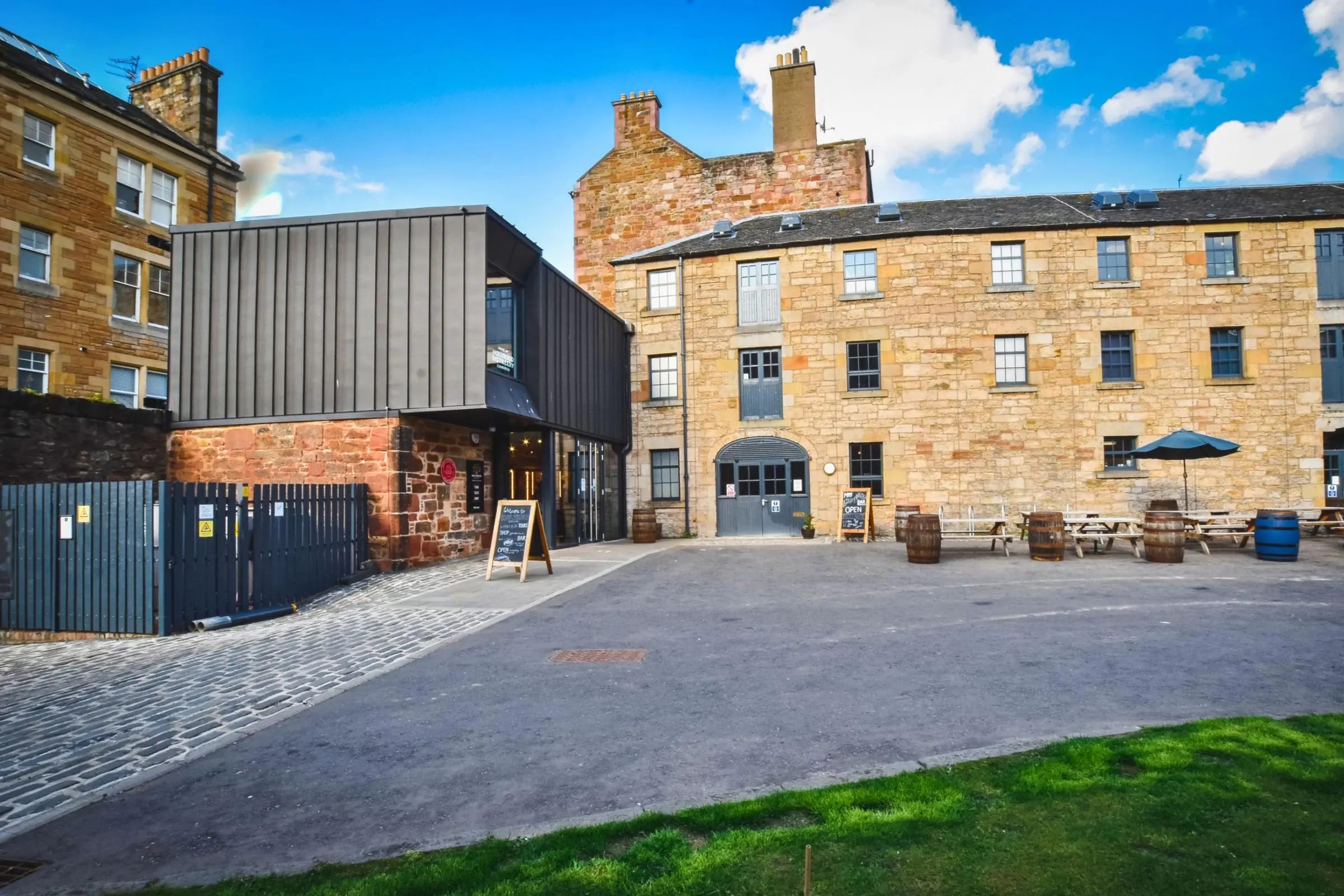
For nearly 100 years, Edinburgh did not have a single working single malt whisky distillery. That changed in 2019 when Holyrood Distillery opened its doors. Located in a repurposed 1830s railway goods shed on St Leonard’s Lane, this urban distillery sits just a short walk from the Royal Mile and the craggy slopes of Arthur’s Seat.
Unlike traditional Highland distilleries that lean heavily on centuries-old heritage and tartan-clad marketing, Holyrood takes a distinctly modern, experimental approach. They play with specialty malts, diverse yeast strains, and innovative cask maturation to create unique flavor profiles. They also produce a highly regarded line of gins and new make spirits.
If you want to see exactly how Scottish spirits are made today—without leaving the city center—this is where you go.
Is Holyrood Distillery Right for You?
Because it is a working production site rather than a massive theme park, Holyrood Distillery appeals to specific types of travelers. Here is how to know if it fits your itinerary:
- The Whisky Nerd: You will appreciate this tour. Holyrood focuses heavily on the science of flavor. They openly discuss their use of brewing yeasts (rather than standard distilling yeasts) and specialty roasted malts. It is a transparent, geeky look at modern distilling.
- The Gin Enthusiast: While whisky takes time to mature, gin does not. Holyrood’s Height of Arrows gin is a staple here, and their tours cover the gin distillation process alongside the whisky.
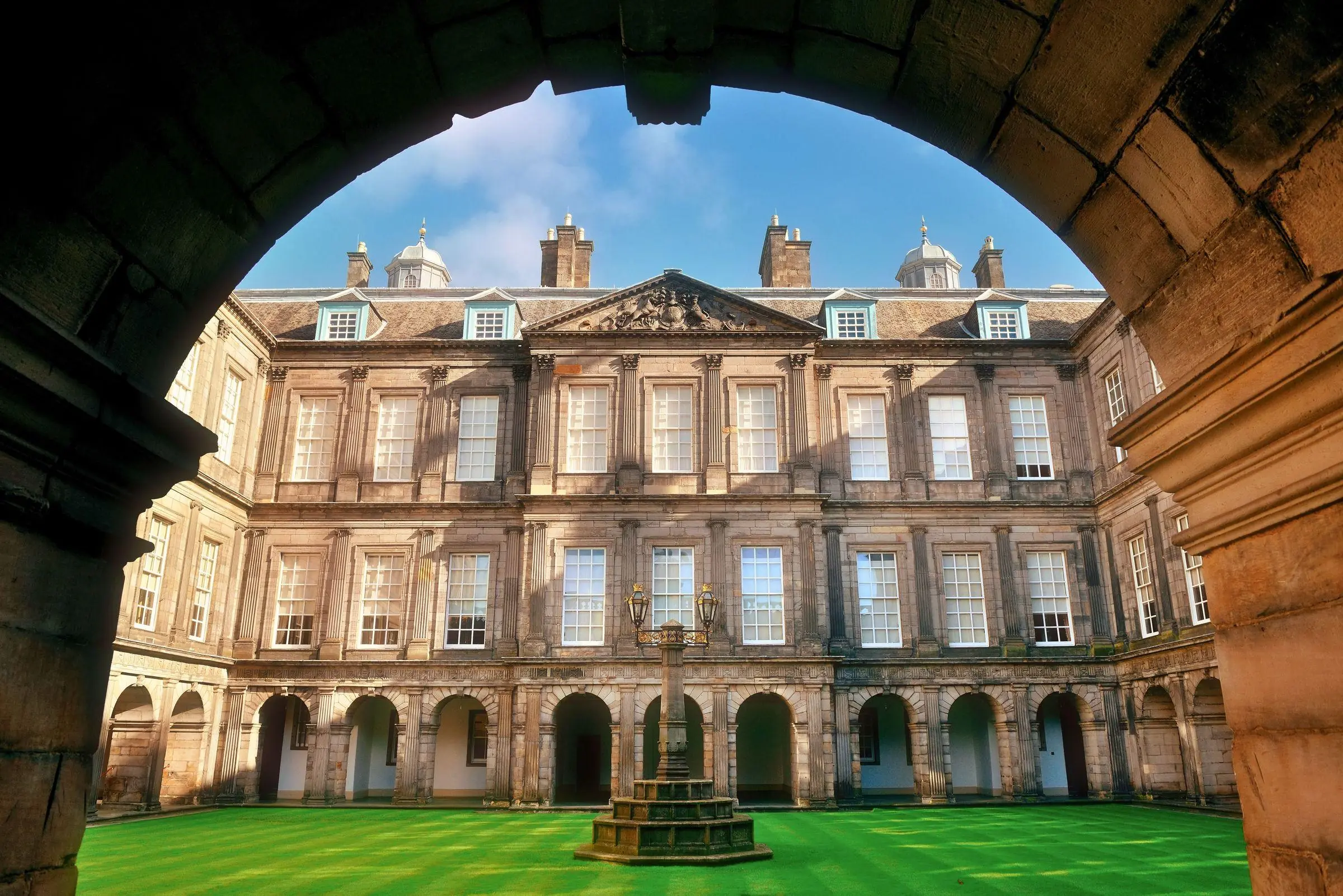
- The Time-Poor Traveler: If you don’t have a full day to drive out to the Highlands or the borders for a distillery tour, Holyrood is highly convenient. You can easily fit a 90-minute guided whisky & gin tasting tour into a morning, leaving the afternoon free for the Palace of Holyroodhouse.
- Families with Children: While children are allowed on the premises and can join the tours (with non-alcoholic options provided), the core experience is highly technical and focused on alcohol production. Young children will likely find it boring.
Holyrood is a compact, working distillery. Tour groups are kept small for safety and space reasons, meaning time slots frequently sell out during the summer and on weekends.
5 Production Highlights: A Deep Dive
The tour at Holyrood Distillery walks you through the actual production floor. It gets warm, it smells like warm grain and alcohol, and you are standing right next to the equipment. Here are the five key stages you will see.
1. The Malt and Mash
Most traditional distilleries use a standard distiller’s malt designed purely for maximum alcohol yield. Holyrood borrows from the craft beer world, using specialty roasted malts (like chocolate malt or crystal malt) to inject specific flavor profiles right at the beginning of the process. You will see the mash tun where these grains are mixed with hot water to extract the fermentable sugars, creating a sweet, malty liquid called wort.
2. Fermentation and Yeast Experiments
This is arguably Holyrood’s biggest point of difference. While the industry standard is to use a single, highly efficient distilling yeast, Holyrood experiments with different strains, including rum yeasts, wine yeasts, and traditional brewing yeasts. The fermentation takes place in stainless steel washbacks. If you are lucky, the guide will let you smell the active fermentation—it ranges from fruity and ester-heavy to rich and bready, depending on what is in the tank that week.
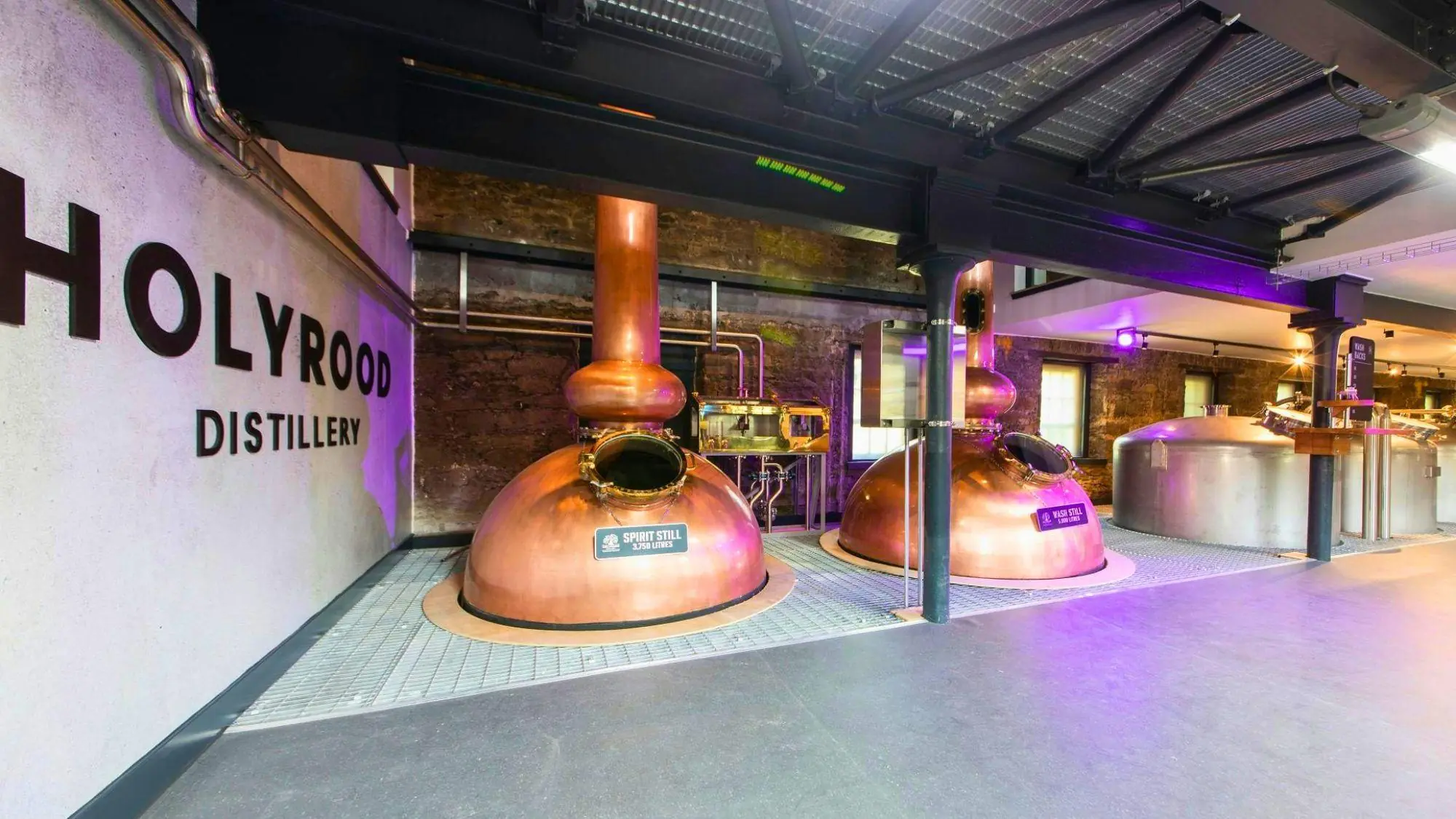
3. The Custom Copper Stills
Because the distillery is housed in a historic railway shed, space is tight. The copper pot stills had to be custom-designed to fit the height of the building. They are unusually tall with long necks, which increases “copper contact.” This strips out heavier, sulfurous compounds and results in a lighter, fruitier, and more elegant new make spirit.
4. The Gin Still (Florestine)
Whisky isn’t the only thing made here. You will also be introduced to “Florestine,” the distillery’s dedicated gin still. Holyrood’s approach to gin is minimalist. For example, their award-winning Height of Arrows gin uses only juniper, beeswax, and sea salt, relying on the texture and quality of the base spirit rather than masking it with dozens of botanicals.
5. Maturation and Cask Selection
By law, Scotch whisky must mature in oak casks in Scotland for a minimum of three years. Holyrood uses a wide variety of casks, from traditional ex-bourbon and ex-sherry to more unusual wine and rum casks. While the majority of their casks are stored in a larger warehouse outside the city, you will see a selection of active casks on site and learn how the wood interacts with the spirit over time.
Comparing Ticket Options
There are a few ways to experience the distillery. If you just want to buy a bottle, the ground-floor shop and bar are open to the public without a ticket. However, to see the production floor, you must book a guided tour.
Holyrood Distillery Whisky & Gin Tour
- 90-minute fully guided experience
- Walk the active production floor
- Includes 4 tastings (new make spirit, gin, and whisky)
- Best overall introduction to the distillery
Tour + Welcome Drink
- Similar 90-minute guided tour
- Includes a welcome drink upon arrival
- Includes the standard tasting flight
- Good if you want a cocktail before the tour begins
Our Verdict on Tours
- Highly knowledgeable, unpretentious guides.
- You actually walk among the working equipment.
- Generous tasting pours included in the price.
- The production floor gets very warm in summer.
- Not ideal for young children.
- Stairs are involved (though an elevator is available for accessibility).
Keep Planning: If you want a broader overview of Scotland’s whisky regions rather than a deep dive into one working distillery, consider visiting The Scotch Whisky Experience near Edinburgh Castle.
Logistics & Transit Directions
Holyrood Distillery is located at 19 St Leonard’s Lane, Edinburgh EH8 9SH. It sits in the Southside neighborhood, nestled between the Royal Mile and Holyrood Park.
Walking
Walking is the easiest way to get here if you are already in the Old Town.
- From the bottom of the Royal Mile (near the Scottish Parliament), it is a 10 to 12-minute walk south along Holyrood Road and St Leonard’s Street.
- From the National Museum of Scotland, it is about a 15-minute walk east.
By Bus
If you prefer to take public transport, Lothian Buses are your best option.
- Routes 14, 30, and 33 all stop on St Leonard’s Street (look for the “Rankeillor Street” or “Bernard Terrace” stops). From the bus stop, it is a 2-minute walk down St Leonard’s Lane to the distillery entrance.
Parking
There is no dedicated visitor parking at the distillery. Street parking in the Southside is heavily restricted (permit holders only) or requires expensive pay-and-display tickets with strict time limits. We strongly advise against driving, especially since you will be participating in a tasting.
Drink Driving Laws: Scotland has very strict drink-driving limits (lower than the rest of the UK). If you are participating in the tasting, do not drive. The distillery provides small sample bottles so you can take your tasting flight away with you if you are the designated driver.
Local Tips
1. Eat Before You Arrive The distillery has a great bar, but it does not have a full restaurant. They offer light snacks (like crisps and nuts), but you should not arrive on an empty stomach if you plan to drink four measures of high-proof spirits. Grab a meal in the nearby Southside or Newington neighborhoods before your tour.
2. Dress in Layers Because it is a working distillery, the temperature fluctuates wildly. The mash and still rooms are notoriously hot and humid, while the tasting rooms and shop are air-conditioned. Wear layers so you can adjust as you move through the building.
3. Combine with Holyrood Park The distillery is located right at the edge of Holyrood Park. A popular local itinerary is to hike up the Salisbury Crags or Arthur’s Seat in the morning, and then reward yourself with a distillery tour and a cocktail in the afternoon.
4. Check the Bar Menu Even if you don’t book a tour, the distillery bar (located in the courtyard during summer, or inside during winter) is worth a visit. They serve excellent cocktails using their own spirits, alongside local craft beers.
Where to Stay Near Holyrood Distillery
Staying in the Southside or near Holyrood puts you within walking distance of the distillery, the Royal Mile, and Arthur’s Seat. It is generally slightly quieter and cheaper than staying directly on the Royal Mile.
Frequently Asked Questions (FAQ)
How long does the Holyrood Distillery tour take?
The standard guided tour and tasting lasts approximately 90 minutes. You should allow an extra 30 minutes if you want to browse the shop or have a drink at the bar afterward.
Is the distillery wheelchair accessible?
Yes. Despite being a historic building, the distillery has been retrofitted with elevators. The entire tour route, including the production floor and tasting rooms, is fully accessible for wheelchair users.
Can I buy exclusive bottles at the distillery?
Yes. The distillery shop sells their core range of whiskies and gins, but they also frequently stock “distillery exclusive” single cask bottlings and experimental new make spirits that you cannot buy anywhere else.
Do I need to book the tour in advance?
It is highly recommended. Tour groups are capped at around 15-20 people to ensure everyone can hear the guide over the noise of the production floor. Walk-ins are accepted if there is space, but tours frequently sell out in advance.
What is the difference between Holyrood Distillery and the Port of Leith Distillery?
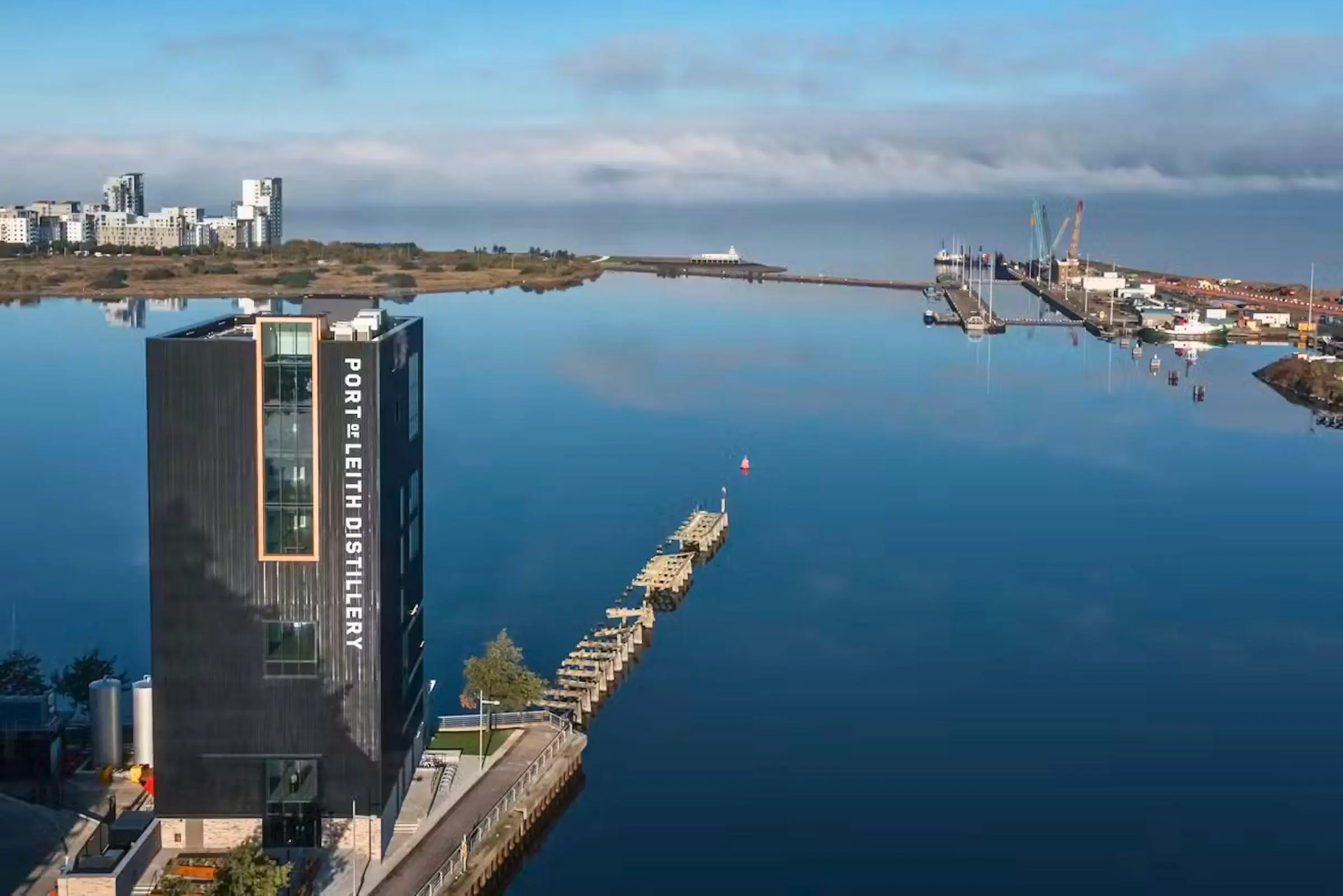
Both are modern, urban distilleries in Edinburgh, but they offer very different experiences. Holyrood is located in a historic railway shed in the Old Town and focuses heavily on experimental yeasts and malts. The Port of Leith Distillery is a striking, modern “vertical distillery” located by the waterfront in Leith, focusing on a different production style and offering panoramic views from its top-floor bar.
Are children allowed on the tour?
Yes, children are permitted on the tours. Anyone under 18 will be provided with soft drinks during the tasting portion. However, the tour is heavily focused on the science and process of alcohol production, so it may not hold the attention of younger kids.