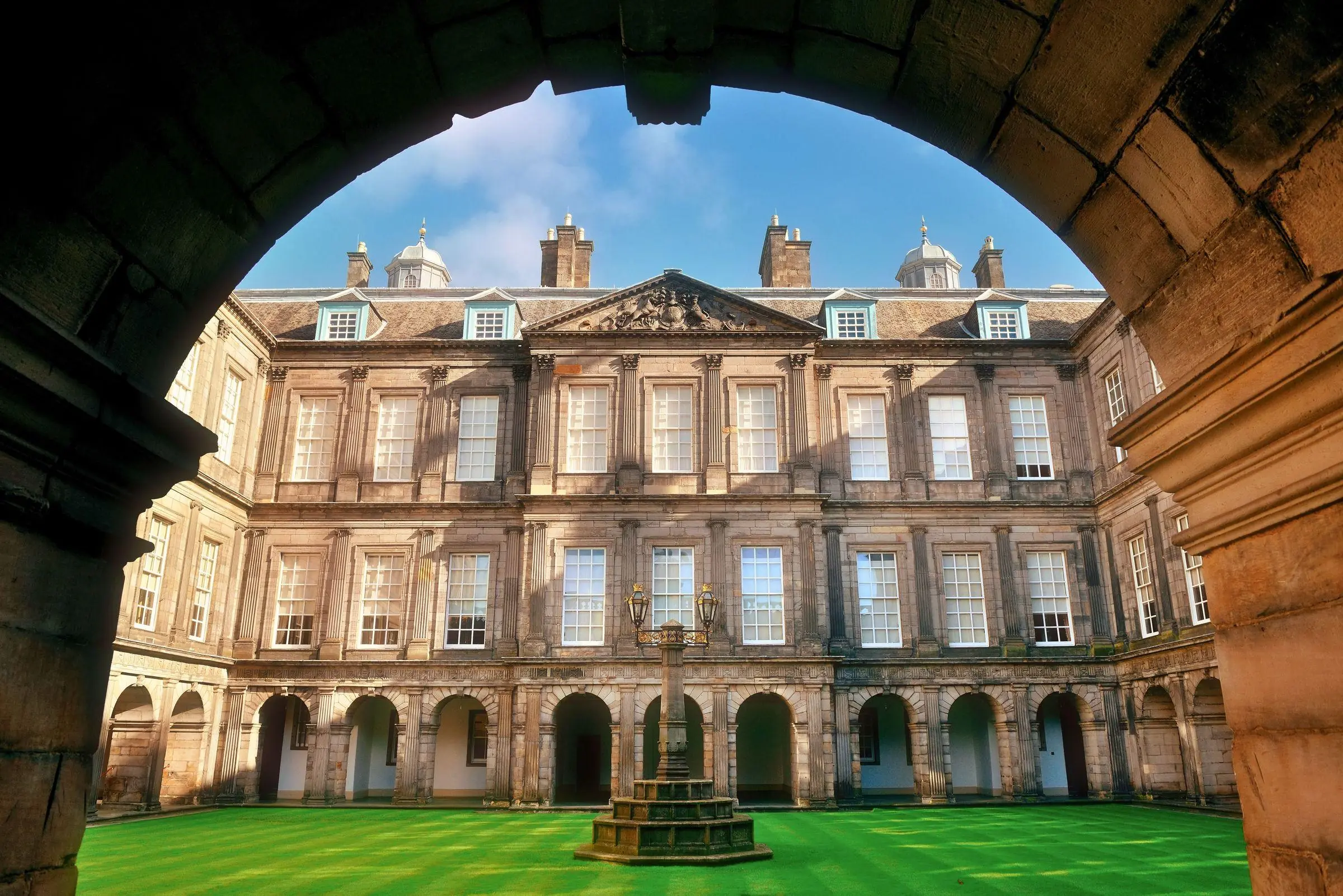
Sitting at the very bottom of the Royal Mile, in the shadow of the extinct volcano known as Arthur’s Seat, the Palace of Holyroodhouse is the official Scottish residence of the British monarch. While Edinburgh Castle dominates the city skyline as a military fortress, Holyroodhouse is where the actual royal living and entertaining happens.
It is a working palace, which means its availability fluctuates based on the royal calendar. But when the doors are open to the public, it offers a surprisingly intimate look at Scottish royal history. You will walk through the very rooms where Mary, Queen of Scots lived, loved, and witnessed a brutal murder, and wander through the roofless, 12th-century ruins of Holyrood Abbey.
This guide breaks down exactly how to plan your visit, which entry tickets make the most sense for your itinerary, and how to navigate the complex history of the site without feeling overwhelmed.
The Palace of Holyroodhouse operates on a timed-entry system. During the peak summer months (July and August), morning slots frequently sell out days in advance. Book your tickets online before you arrive to guarantee entry and avoid the ticket desk queue.
Is the Palace of Holyroodhouse Right for You?
Because Edinburgh has so many historical sites, it helps to know how Holyroodhouse fits into your specific travel style.
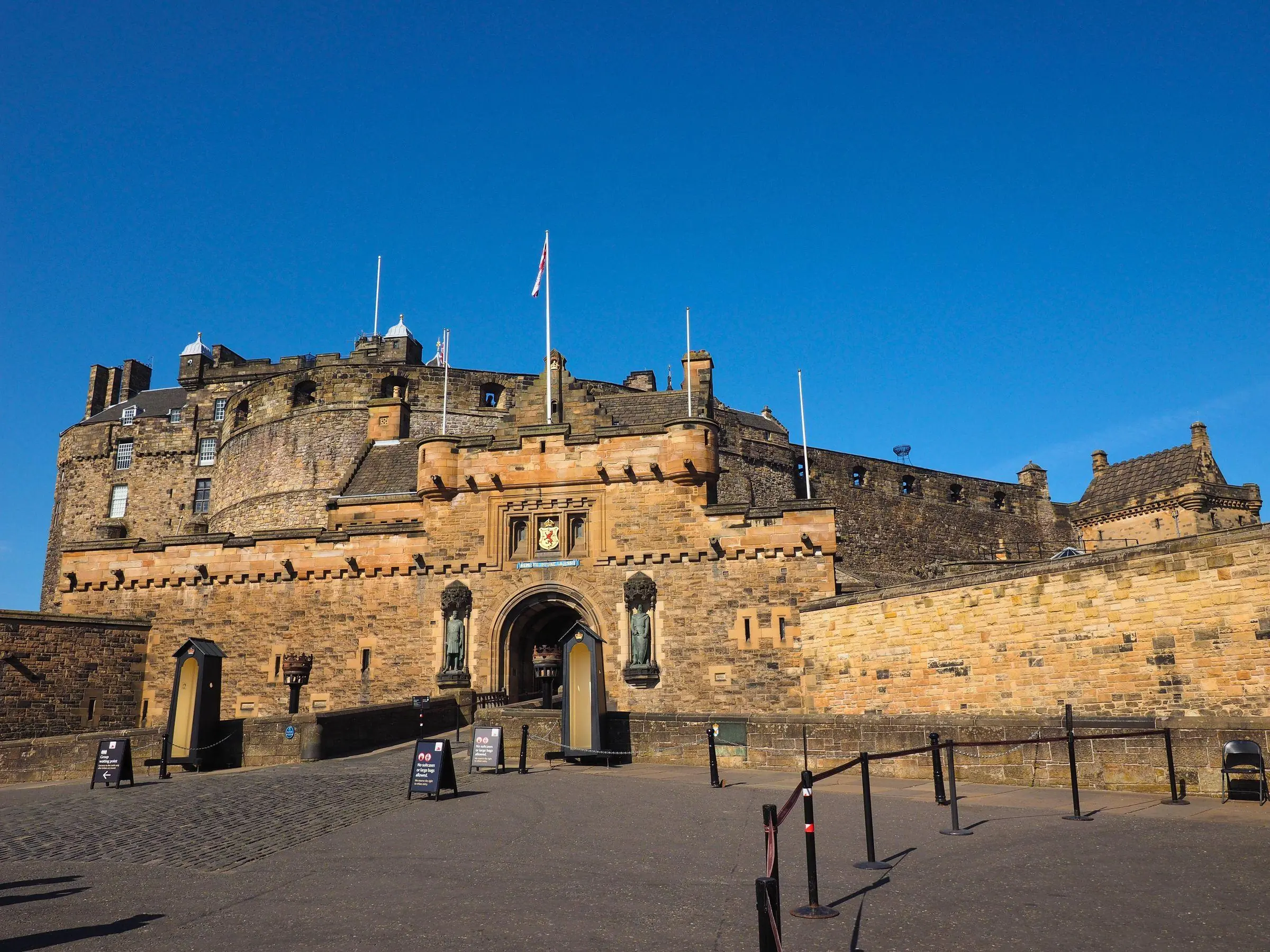
- For the Time-Poor: You need about 1.5 to 2 hours to comfortably tour the State Apartments, the historic chambers, and the Abbey ruins. If you only have one day in Edinburgh, you will likely have to choose between this and taking an Edinburgh Castle entry ticket and guided tour. Choose Holyroodhouse if you prefer furnished, opulent interiors and Mary, Queen of Scots history over military history and panoramic city views.
- For Budget Travelers: The standard entry ticket includes a highly detailed multimedia audio guide. You do not need to pay extra for a guided tour to get value out of the visit. To save money, skip the add-on ticket for The King’s Gallery unless there is a specific exhibition you are desperate to see.
- For Families: The multimedia guide includes a specific family-friendly setting with interactive games and stories aimed at children aged 7–11. The Palace Gardens also provide a good, enclosed space for kids to stretch their legs after the formal interior tour.
Ticket Options Compared
There are a few different ways to buy access to the Palace. If you are only visiting this one site, a standard entry ticket is all you need. However, if you plan to hit multiple major attractions over a couple of days, a combo pass will save you money.
Palace of Holyroodhouse Ticket
- Access to the State Apartments
- Access to Mary, Queen of Scots’ Historic Chambers
- Access to Holyrood Abbey ruins and Palace Gardens
- Includes complimentary multimedia guide
Royal Edinburgh Ticket
- Fast-track entry to Palace of Holyroodhouse
- Entry to Edinburgh Castle
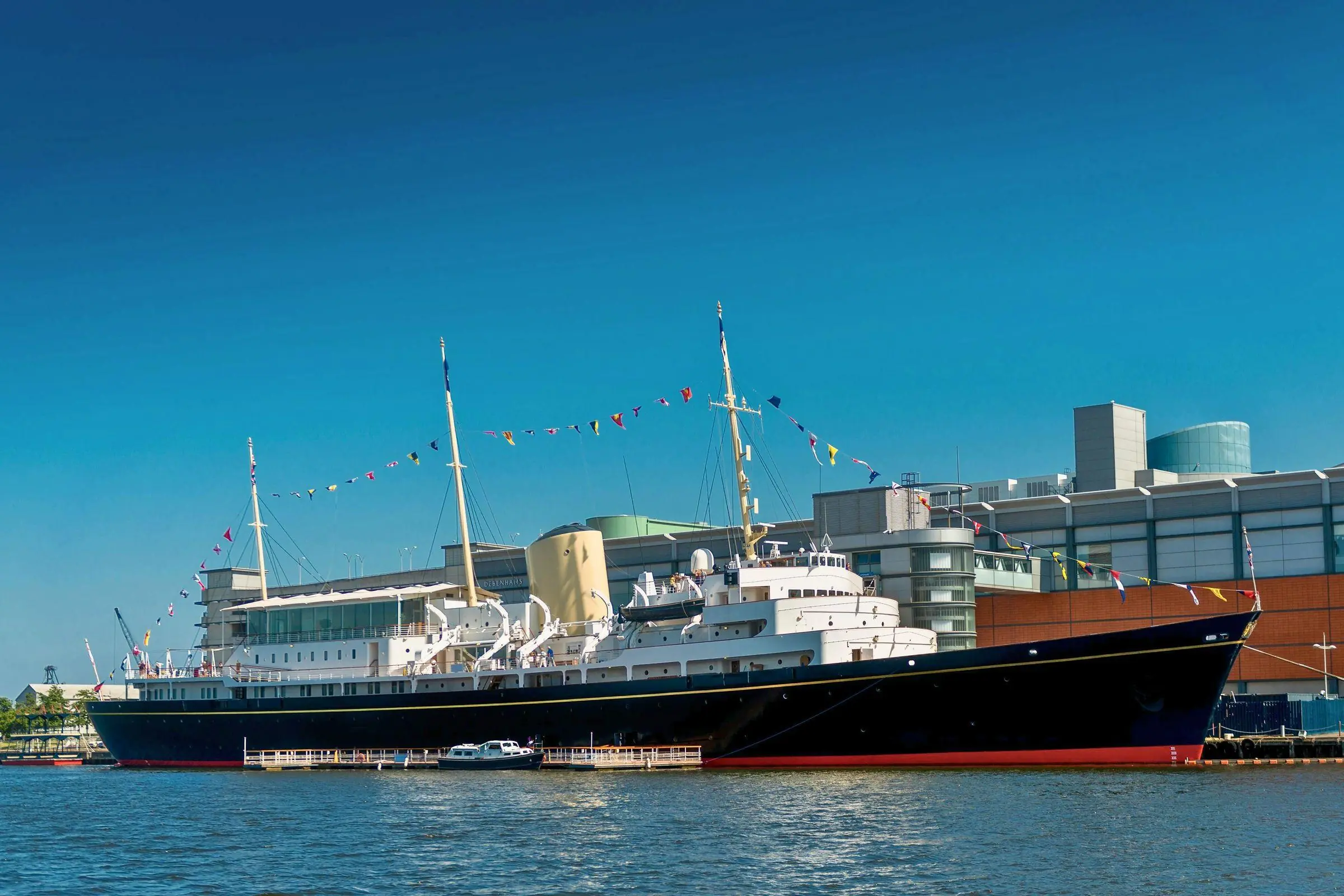
- Entry to The Royal Yacht Britannia
- 48-hour unlimited Hop-On Hop-Off Bus pass
The King’s Residence Rule: The Palace is closed to the public when the King is in residence. This typically happens for one week at the end of June or the beginning of July (known locally as “Holyrood Week”). Always check the official Royal Collection Trust closures page before planning your itinerary.
5 Architectural & Cultural Highlights
The tour of the palace follows a set, one-way route. You will move from the grand, working State Apartments into the older, more historic sections of the building. Here are the five most significant areas to look out for.
1. Mary, Queen of Scots’ Chambers
Located in the oldest surviving part of the palace (the 16th-century James V Tower), these rooms are the main draw for most visitors. You access them via a narrow, winding spiral staircase.
Mary lived here between 1561 and 1567. The chambers include her bedchamber, an outer chamber, and a tiny supper room. It was in this supper room on March 9, 1566, that Mary’s jealous husband, Lord Darnley, and a group of Protestant lords burst in and murdered her private secretary, David Rizzio. Rizzio was stabbed 56 times. A plaque in the outer chamber marks the spot where his body was left, and local legend claims a faint bloodstain is still visible on the floorboards (though historians suggest it has been touched up with red paint over the centuries for dramatic effect).
2. The Great Gallery
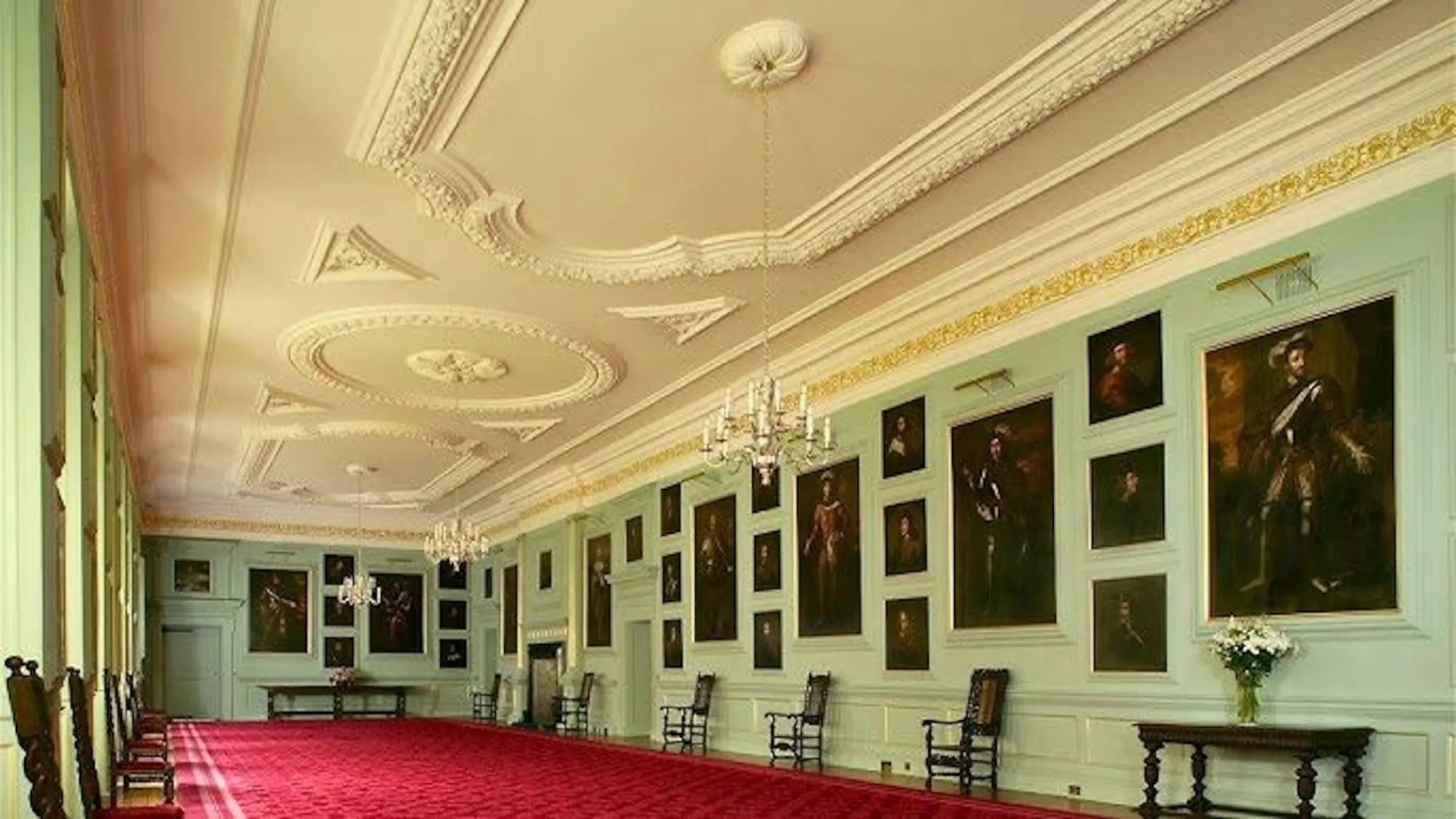
At 44 meters (144 feet) long, the Great Gallery is the largest room in the palace. The walls are lined with 89 portraits of Scottish kings, painted by the Dutch artist Jacob de Wet between 1684 and 1686.
The collection was commissioned by Charles II to demonstrate the long, unbroken line of his royal ancestry. Because no one knew what the early kings looked like, de Wet simply invented faces for them—including the legendary Macbeth.
Historically, this room is famous for hosting Bonnie Prince Charlie’s lavish balls during his brief occupation of Edinburgh in 1745. If you look closely at some of the portraits, you can see slash marks; these were made by defeated government troops who vandalized the paintings after the Battle of Falkirk in 1746.
3. The Throne Room
The Throne Room is the centerpiece of the modern State Apartments. It was heavily remodeled in the 1920s by King George V and Queen Mary to give it a more formal, imposing feel.
Today, it is used for state occasions, most notably the luncheon for the Knights and Ladies of the Order of the Thistle (Scotland’s highest order of chivalry) when a new member is installed. The room features a pair of thrones commissioned by King George V in 1911, and the walls are paneled in rich oak, giving it a heavy, traditional atmosphere.
4. Holyrood Abbey Ruins
After exiting the palace interiors, the route leads you directly into the ruins of Holyrood Abbey. Founded in 1128 by King David I, the abbey predates the palace by several centuries.
According to legend, David I was hunting in the forest here when he was thrown from his horse and nearly gored by a stag. He grabbed the stag’s antlers, which miraculously turned into a holy cross (a “rood”). In gratitude for his survival, he founded the abbey on that exact spot.
The abbey was expanded over the centuries but suffered severe damage during the English invasions of the 1540s. The final blow came in 1768 when a poorly constructed stone roof collapsed, leaving the nave open to the sky. Today, the soaring Gothic arches and weathered stone tombs make it one of the most atmospheric photography spots in Edinburgh.
5. The Palace Gardens
The tour concludes in the 10-acre Palace Gardens. If the weather is clear, this area offers spectacular, unobstructed views of Arthur’s Seat.
During the summer, the King hosts his annual Garden Party here, welcoming around 8,000 guests from across Scotland. As you walk the paths, look out for the intricate sundial carved by John Mylne in 1633 for the coronation of Charles I.
Keep Planning: If you are fascinated by the royal history here, consider taking a guided walking tour of the Royal Mile to understand how the palace connects to the castle at the other end of the street.
Logistics: Getting to the Palace
The Palace of Holyroodhouse is located at the eastern end of the Royal Mile (the bottom of the hill) in Edinburgh’s Old Town.
- Walking: The easiest way to arrive is simply to walk down the Royal Mile. From Edinburgh Castle, it is a straight, downhill walk of about 1.6 kilometers (1 mile). It takes roughly 20 minutes at a brisk pace, but allow 45 minutes if you plan to stop and look at the architecture along the way.
- By Bus: Lothian Bus route 35 stops directly outside the palace gates (stop name: Abbeyhill). Alternatively, the Hop-On Hop-Off Bus Tours have a dedicated stop right at the palace entrance.
- By Tram: The nearest tram stop is at St Andrew Square in the New Town, which is a 15-20 minute walk away.
- Parking: There is a public car park adjacent to the palace on Queen’s Drive (Broad Pavement Car Park). It is pay-and-display, but spaces fill up very quickly in the summer. Driving in central Edinburgh is generally not recommended.
Local Tips for Avoiding Crowds
Holyroodhouse is one of Edinburgh’s most popular attractions, drawing over 500,000 visitors a year. Here is how to navigate it smoothly:
- Timing is Everything: The palace opens at 9:30 AM. The quietest time to visit is right at opening, or after 2:30 PM once the large coach tour groups have moved on. Midday (11:00 AM to 1:00 PM) is peak congestion time, especially in the narrow corridors of Mary, Queen of Scots’ chambers.
- Security Checks: Because it is a working royal residence, airport-style security checks are mandatory. Large backpacks and suitcases are not permitted inside, and there are no luggage storage lockers on site. Leave heavy bags at your hotel or use a luggage storage service near Waverley Station.
- Photography Rules: Photography and video recording are strictly prohibited inside the State Apartments and historic chambers. The wardens enforce this aggressively. You are, however, free to take as many photos as you like in the Abbey ruins, the gardens, and the exterior courtyard.
- The King’s Gallery Add-On: The King’s Gallery (formerly the Queen’s Gallery) is a separate building next to the palace that hosts rotating exhibitions from the Royal Collection. It requires a separate ticket. Unless you have a specific interest in the current exhibition (usually fine art, textiles, or historical artifacts), you can skip The King’s Gallery entry ticket without feeling like you missed the core Holyroodhouse experience.
Where to Stay Nearby
Staying near the Palace of Holyroodhouse puts you at the quieter end of the Royal Mile, with immediate access to Holyrood Park and Arthur’s Seat. It is an excellent location if you want to be in the Old Town but away from the intense noise of the castle end.
Frequently Asked Questions
How long does a visit to the Palace of Holyroodhouse take?
Most visitors spend between 1.5 and 2 hours exploring the palace, the abbey ruins, and the gardens. The multimedia guide takes about 1 hour to listen to in full, but you will want extra time for the outdoor areas.
Is the Palace of Holyroodhouse wheelchair accessible?
The majority of the palace, including the State Apartments, the Abbey, and the gardens, is fully accessible. However, Mary, Queen of Scots’ chambers are located up a steep, narrow spiral staircase and cannot be accessed by wheelchair users. A virtual tour of these rooms is available on the multimedia guide.
Can I take photos inside the Palace?
No. Photography is strictly forbidden inside the palace interiors for security and copyright reasons. You can take photos in the exterior courtyard, the Abbey ruins, and the Palace Gardens.
Is the Palace open when the King is there?
No. As a working royal residence, the palace closes to the public when the King or other members of the Royal Family are in residence. This usually occurs for a week in late June or early July, but short-notice closures can happen. Always check the official website before your visit.
Do I need to print my tickets?
No, if you book your entry tickets online, you can show the barcode on your smartphone at the entrance.
Is there a cafe at the Palace?
Yes, the Café at the Palace is located in the Mews courtyard just outside the main entrance. It serves light lunches, cakes, and a very popular afternoon tea. You do not need a palace ticket to enter the cafe.