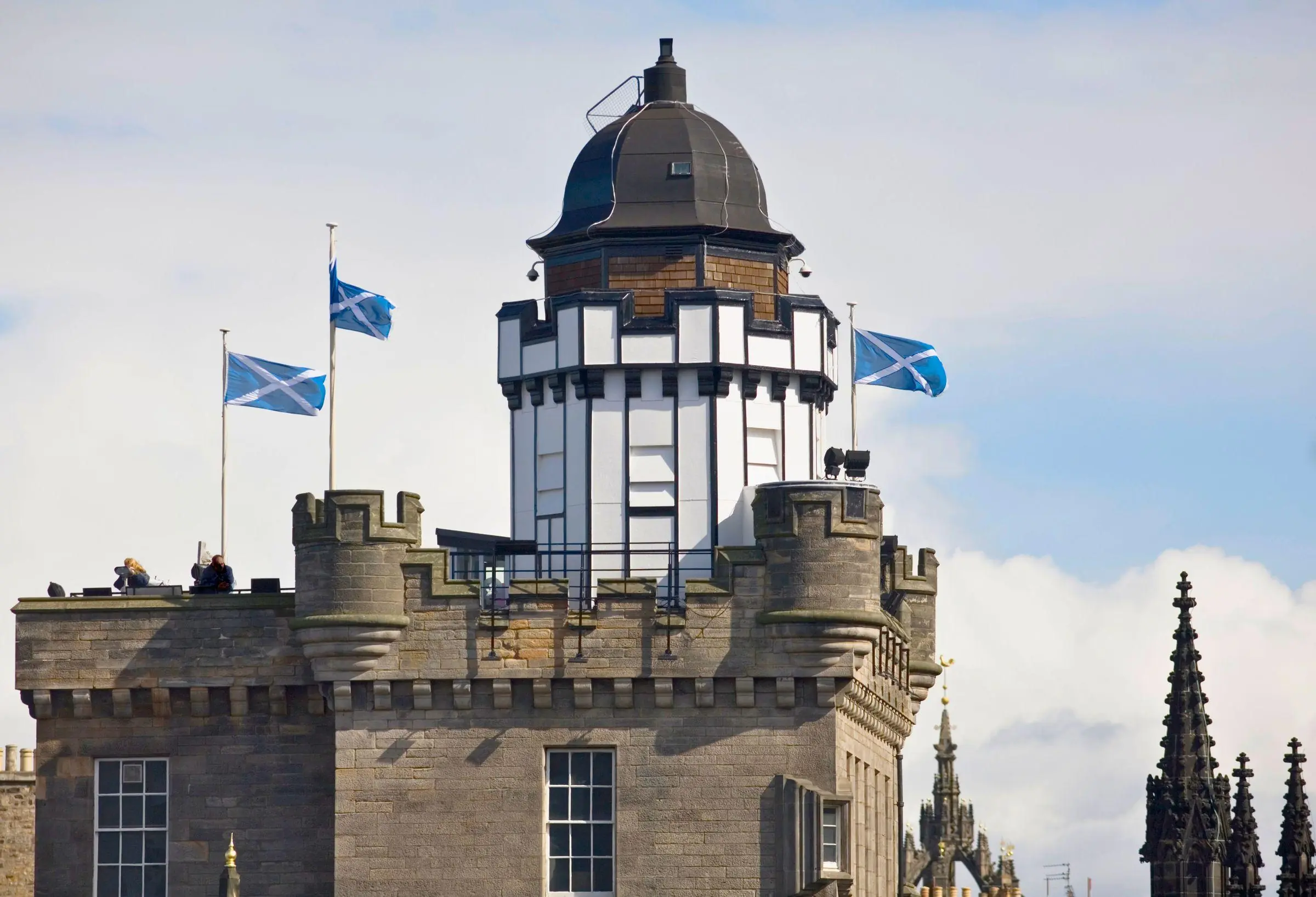
Sitting right at the top of the Royal Mile, just a stone’s throw from the esplanade of Edinburgh Castle, the Camera Obscura and World of Illusions is a strange, highly entertaining hybrid. It is part 19th-century scientific curiosity and part modern interactive funhouse.
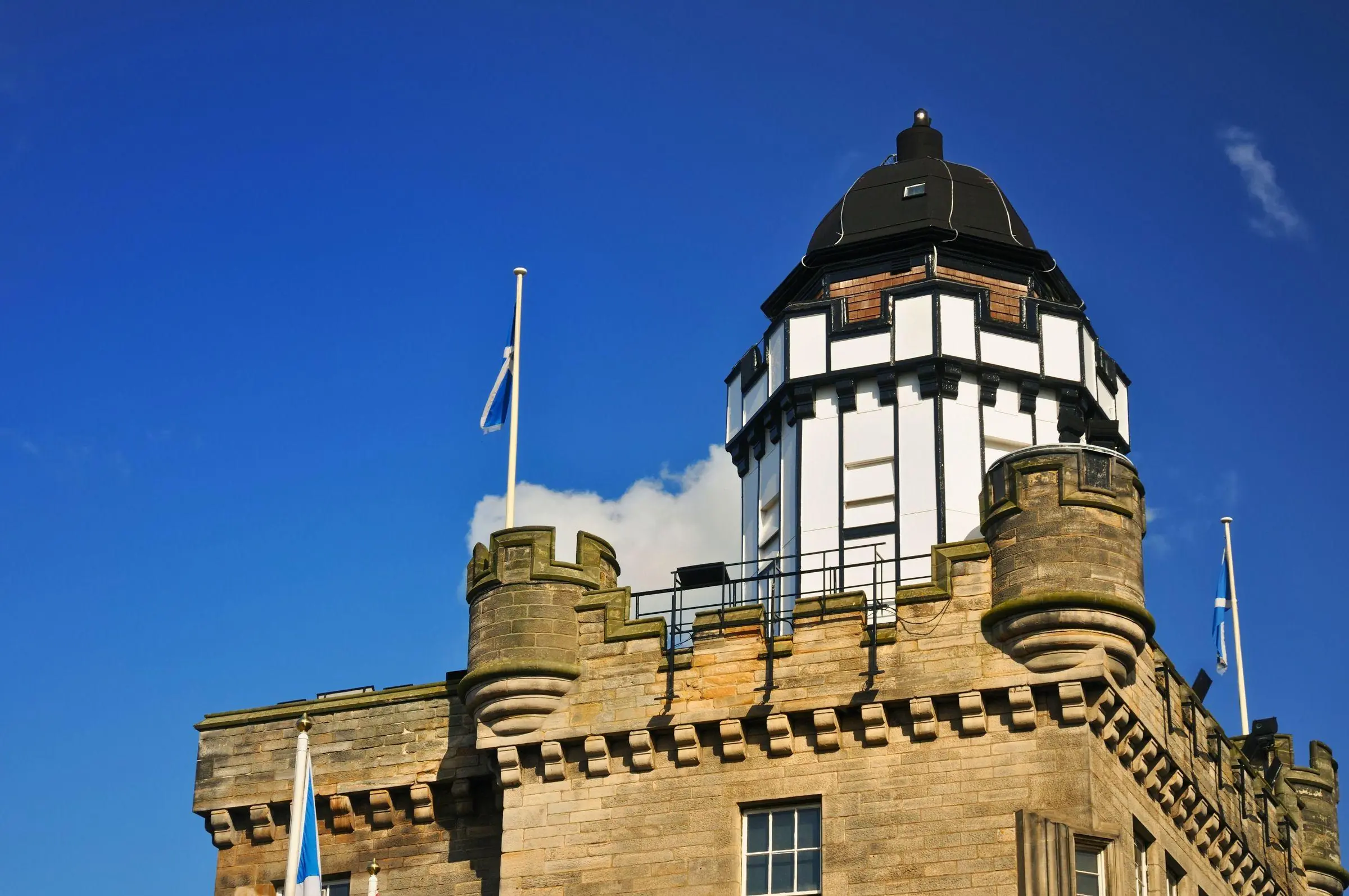
As Edinburgh’s oldest purpose-built visitor attraction, it has been drawing crowds since the 1850s. Today, it occupies six floors of a historic tower. The top floor houses the original Victorian camera obscura—a giant periscope that projects a live, moving image of the city onto a viewing table. The five floors below are packed with over 100 interactive optical illusions, light tricks, and hands-on exhibits.
Because it sits on the city’s busiest tourist thoroughfare, it gets crowded. This guide breaks down exactly what to expect on each floor, how the timed ticketing system works, and how to navigate the narrow staircases of this 17th-century building without losing your patience.
Historical Context: The Outlook Tower
To understand the Camera Obscura, you have to look at its two eccentric founders. The original attraction was established by Maria Theresa Short in 1835. Claiming to be the daughter of a famous optical instrument maker, she brought a powerful telescope to Edinburgh and eventually set up “Short’s Observatory” on the Royal Mile in 1853.
In 1892, the building was purchased by Sir Patrick Geddes, a pioneering Scottish town planner, sociologist, and botanist. Geddes renamed the building the “Outlook Tower.” He used the camera obscura not just as a parlor trick, but as an educational tool to teach locals about their city, geography, and their place in the wider world. He believed that by looking at the city from above, citizens would better understand urban planning and community.
Today, the building honors both Short’s love of optical entertainment and Geddes’s educational vision, blending historic preservation with hands-on science.
Deep Dive: 5 Interactive Highlights
The attraction is spread across six levels. When you arrive, staff will usually direct you to climb all the way to the top floor first for your scheduled Camera Obscura presentation, after which you work your way down through the World of Illusions at your own pace.
1. The Camera Obscura View (Floor 6)
This is the main event and the historical core of the building. You are ushered into a dark, circular room. A guide uses a system of mirrors and lenses housed in a periscope on the roof to project a live, moving image of Edinburgh onto a large white wooden table in the center of the room.
The guide takes you on a virtual “tour” of the city, physically manipulating the lenses to pan across the skyline and zoom in on people walking on the streets below. They use pieces of paper to “pick up” pedestrians and demonstrate classic optical tricks. Note: The clarity of the projection depends heavily on daylight. On very dark, rainy winter afternoons, the image can be dim, but the guides adapt the presentation to focus on the history and mechanics of the device.
2. Magic Gallery (Floor 5)
Directly below the rooftop, the Magic Gallery is a mix of classic optical illusions and tactile exhibits. Here you will find plasma globes that follow your fingertips, shadow-capturing walls that freeze your silhouette in light, and a variety of perspective-bending artwork. It is highly interactive and usually the loudest floor, as it is particularly popular with younger children.
3. Light Fantastic (Floor 4)
This floor focuses on the science of light, color, and holography. It houses one of the largest collections of holograms in Europe, ranging from creepy floating faces to intricate 3D geometric shapes.
The highlight of this floor is the Ames Room. This is a distorted room designed to create an optical illusion of relative size. When two people stand in opposite corners of the room, one appears to be a giant while the other looks like a miniature person. It is a popular photo spot, and there is a viewing window outside the room where a third person can take the perfect picture.
4. Bewilder: The Mirror Maze (Floor 2)
The lower floors focus on physical disorientation. The Mirror Maze is exactly what it sounds like: a labyrinth of floor-to-ceiling mirrors and glass panels illuminated by shifting LED lights. It is short but genuinely disorienting. You are required to wear provided plastic gloves to prevent smudging the glass (and to stop you from walking face-first into a mirror).
5. The Vortex Tunnel (Floor 2)
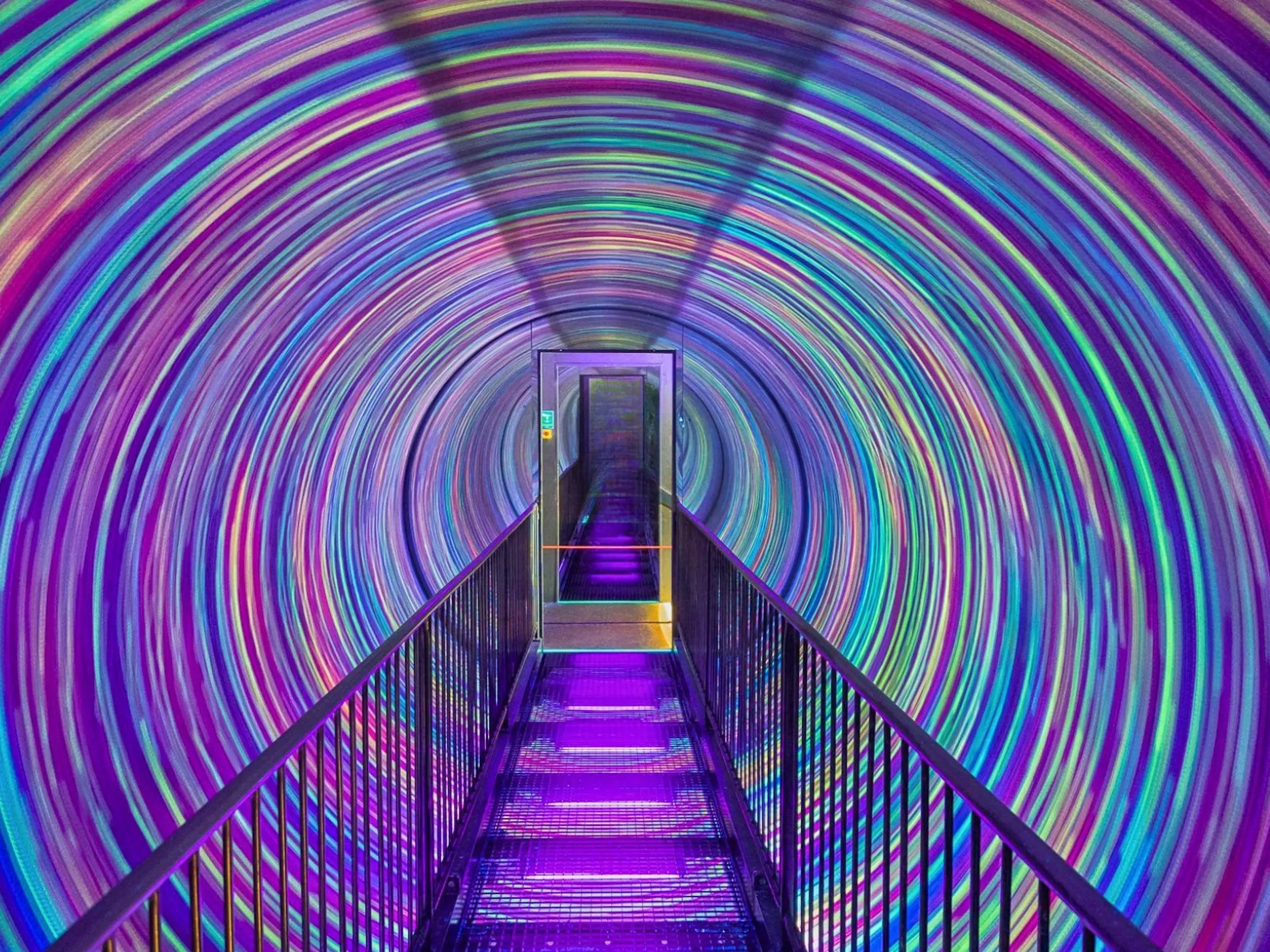
Located just past the Mirror Maze, the Vortex Tunnel is a rotating cylinder of glowing lights. You walk across a stationary metal bridge through the center of the spinning tunnel. Even though the bridge never moves, the visual input of the spinning lights completely overrides your inner ear, making you feel like the bridge is tilting violently.
Motion Sickness Warning: The Vortex Tunnel can induce severe dizziness and nausea in a matter of seconds. If you are prone to vertigo or motion sickness, keep your eyes fixed firmly on the exit door straight ahead, or use the bypass corridor to skip the tunnel entirely.
Tickets & Logistics
Camera Obscura operates on a strict timed-entry system. Because the building is narrow and the rooftop presentation has a strict capacity limit, walk-up tickets are frequently sold out by mid-morning, especially during the summer, school holidays, and weekends.
During the summer months and the August Fringe Festival, Camera Obscura sells out days in advance. You must secure a timed entry ticket prior to arrival.
Ticket Options Compared
Camera Obscura & World of Illusions Ticket
- Includes the guided Camera Obscura presentation
- Full access to all 5 floors of illusions
- Timed entry to manage crowds
- Free cancellation up to 24 hours before
Edinburgh Castle Guided Tour
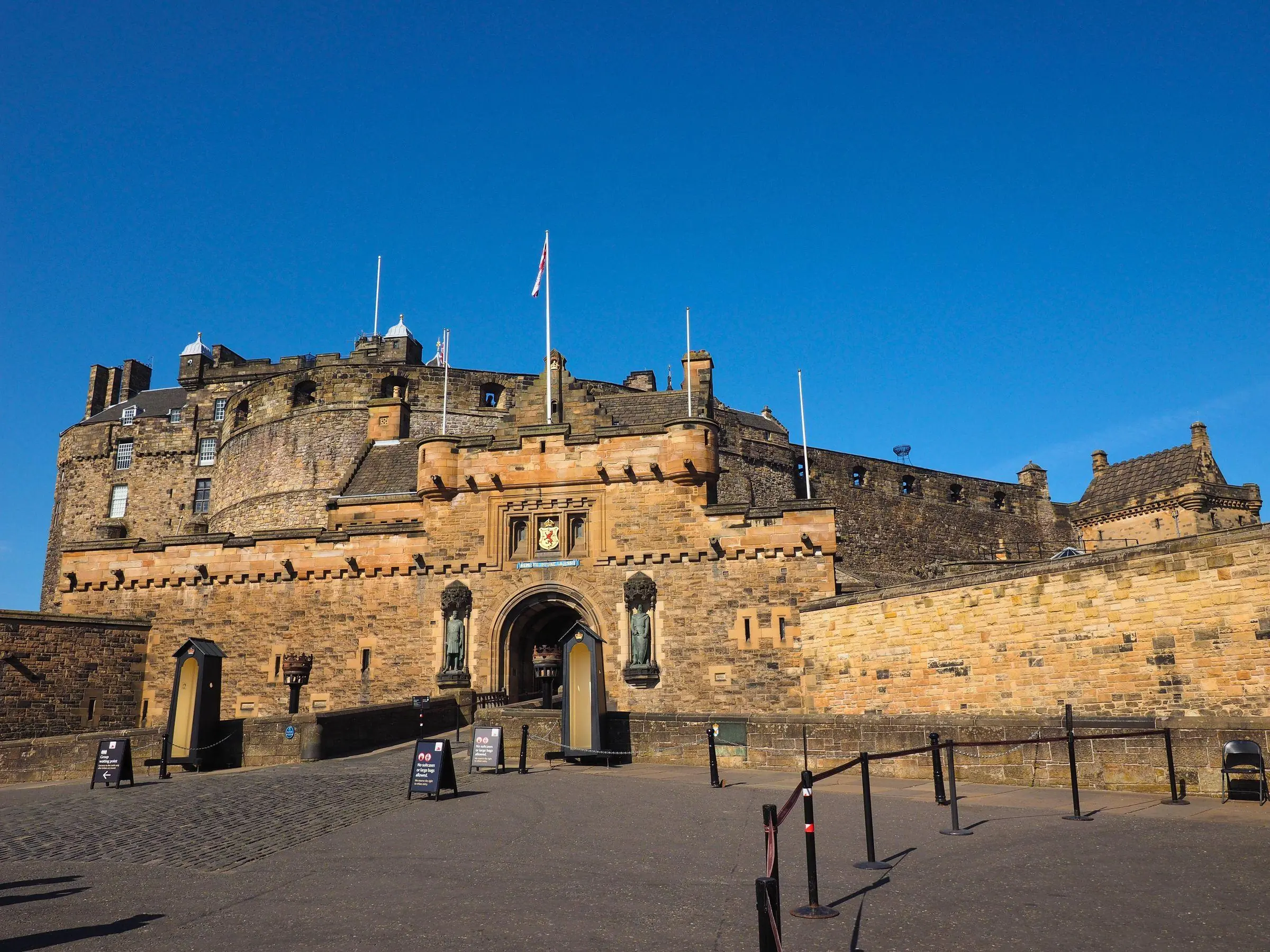
- If you are visiting Camera Obscura, you are right next to the Castle.
- Includes skip-the-line entry to Edinburgh Castle
- 90-minute guided walking tour of the fortress
- Ideal for pairing with an afternoon Camera Obscura visit
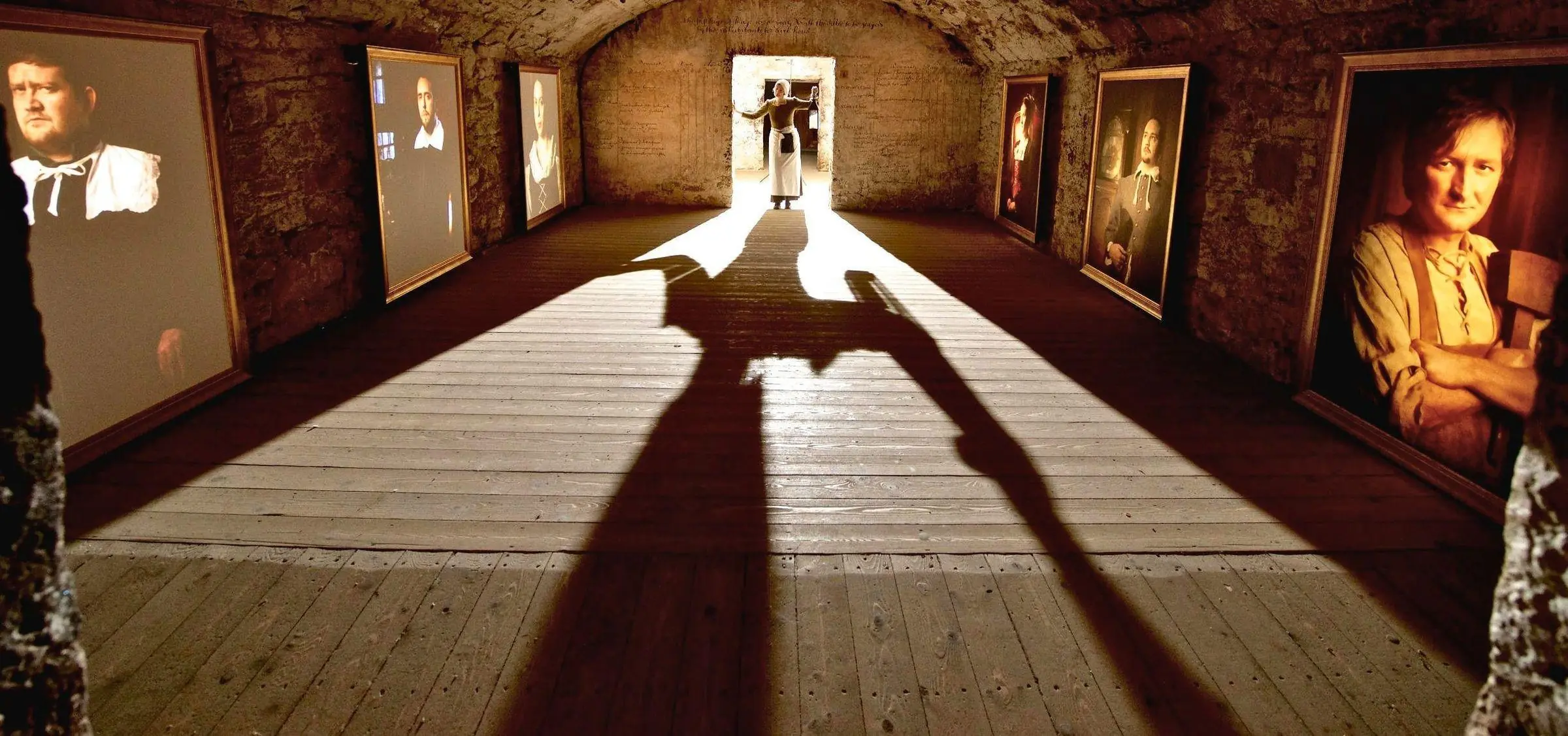
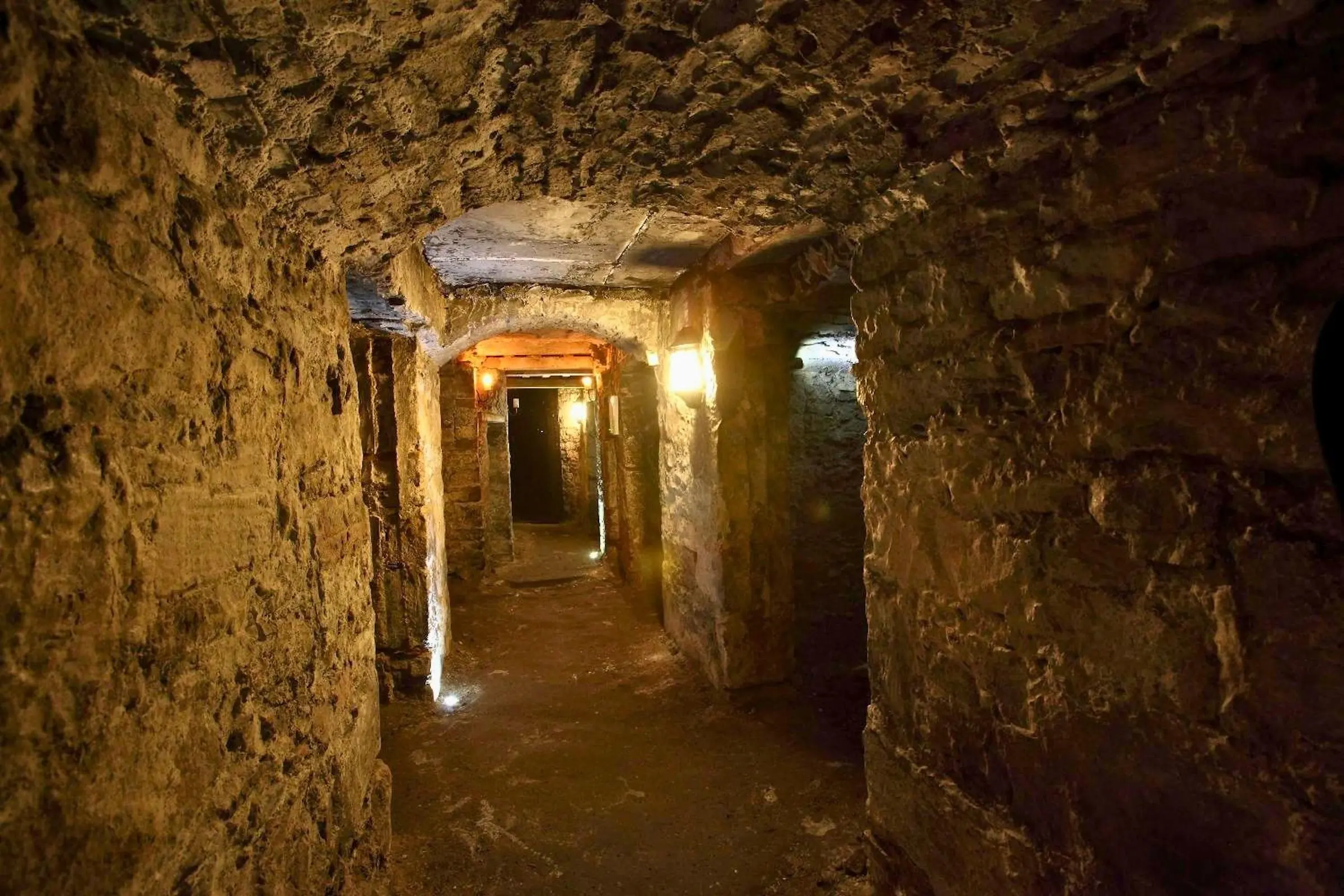
Keep Planning: If you are building a full itinerary for the Royal Mile, check our guides to Mary King’s Close and the Blair Street Underground Vaults.
Audience Segmentation: How to Visit
For Families with Young Children
This is arguably the best indoor family attraction in central Edinburgh. However, the logistics require planning. The building is a historic 17th-century tower with no elevator to the upper floors.
- Strollers/Buggies: You cannot take strollers up the stairs. There is a designated buggy park on the ground floor where you must leave them.
- Pacing: Kids tend to rush from exhibit to exhibit. Let them burn off energy in the Magic Gallery, but keep a close eye on them in the Mirror Maze.
For the Time-Poor
If you only have an hour, you can still get value out of the visit.
- Book the earliest slot of the day (usually 9:00 AM or 9:30 AM).
- Attend the 15-minute Camera Obscura show on the roof.
- Skip the reading-heavy exhibits on Floor 3 (Eye Spy Edinburgh) and head straight down to the Ames Room (Floor 4) and the Vortex Tunnel (Floor 2) for the best photo opportunities.
For Budget Travelers
At nearly £25 per adult, Camera Obscura is one of the more expensive single attractions in Edinburgh. If you are on a strict budget, consider whether the interactive illusions are a priority for your group. If you simply want great views of the city, you can climb Arthur’s Seat or visit the rooftop terrace of the National Museum of Scotland for free. However, if you want a highly entertaining, weather-proof activity, the ticket price delivers a solid two hours of entertainment.
Local Tips for Avoiding Crowds
- The 9:00 AM Advantage: The building gets progressively hotter, louder, and more crowded as the day goes on. Booking the first slot of the day means you get to experience the Mirror Maze and Ames Room without waiting in line behind large groups.
- Late Evening Visits: During the summer and school holidays, Camera Obscura stays open late (often until 9:00 PM or 10:00 PM). Visiting after 7:00 PM is significantly quieter. Note: If you visit after dark, the Camera Obscura projection relies on streetlights and is less detailed, but the guide will show a recorded daytime view alongside the live nighttime view.
- Staircase Etiquette: The stairwells are narrow and spiral. Keep to the left, and be patient if you get stuck behind a slower group. There are small landings on each floor where you can step aside to let others pass.
- Rooftop Terrace: Don’t just rush into the dark room for the presentation. The outdoor rooftop terrace surrounding the camera obscura dome offers some of the best unobstructed, panoramic views of Edinburgh Castle, the Royal Mile, and the Firth of Forth.
Transit & Logistics: Getting There
Address: Castlehill, The Royal Mile, Edinburgh EH1 2ND
Camera Obscura is located at the very top of the Royal Mile, just before the open esplanade of Edinburgh Castle.
- Walking: From Waverley Train Station, it is a 10-minute walk. However, it is a steep uphill climb via the Playfair Steps or Cockburn Street.
- By Bus: Lothian Buses do not run directly up the top half of the Royal Mile. Take any bus that stops at George IV Bridge (Routes 23, 27, 41, 42) or The Mound (Routes 2, 3, 8, 11, 16), and walk the remaining 5 minutes up the hill.
- Hop-On Hop-Off: The Edinburgh Hop-On Hop-Off Bus stops at the Lawnmarket, which is less than a 2-minute walk from the entrance.
- Parking: There is no parking on the Royal Mile. The nearest public parking is the NCP Castle Terrace car park, a 10-minute walk away (and involves a lot of stairs to get up to the Royal Mile).
Where to Stay Nearby
Staying near the Royal Mile puts you in the heart of the Old Town, making it easy to reach Camera Obscura for an early morning slot. Use the map below to find accommodations in the area.
Frequently Asked Questions
How long does it take to visit Camera Obscura?
Most visitors spend between 1.5 and 2 hours inside. The guided Camera Obscura presentation takes about 15 minutes, and the rest of the time is spent exploring the five floors of illusions at your own pace.
Is the building wheelchair accessible?
No. Because it is a Category B listed 17th-century building, there is no elevator. Access to all floors requires climbing narrow, spiral staircases.
Can I bring a stroller or pram?
Strollers are not permitted on the upper floors due to the narrow stairs. There is a free, designated buggy park on the ground floor where you can leave your stroller during your visit.
What happens to the Camera Obscura view if it rains?
The camera obscura relies on daylight. On very dark, rainy, or foggy days, the live projection can be dim. However, the guides are highly skilled at adapting the show, using recorded footage of sunny days to demonstrate how the mechanics work alongside the live view. The 5 floors of illusions are entirely indoors and unaffected by weather.
Are dogs allowed inside?
Only registered assistance dogs are permitted inside the building. Pet dogs are not allowed.
Do I have to book a specific time slot?
Yes. When you purchase an entry ticket, you must select a specific entry time. This time dictates when you enter the building and when your guided rooftop presentation begins.