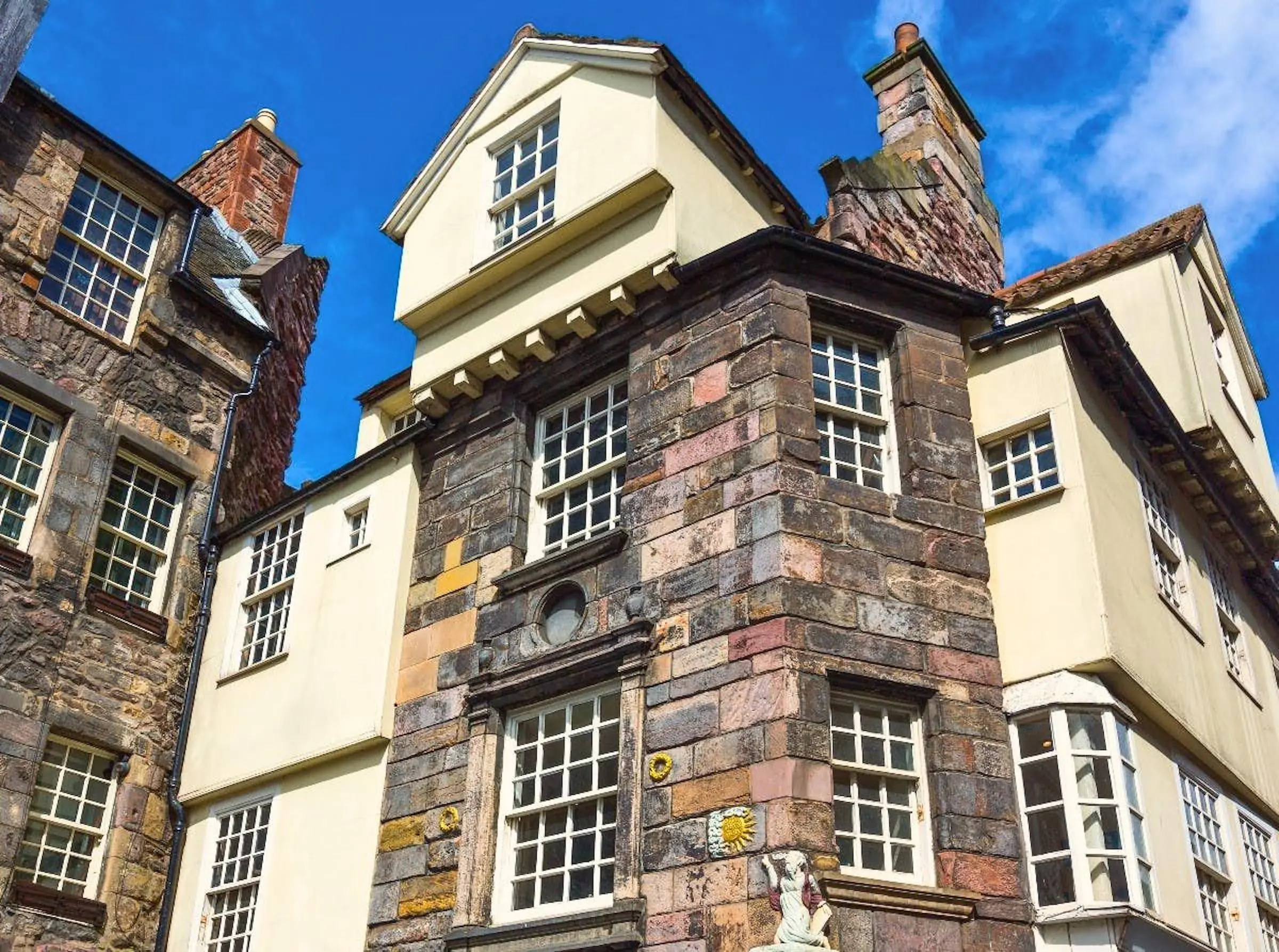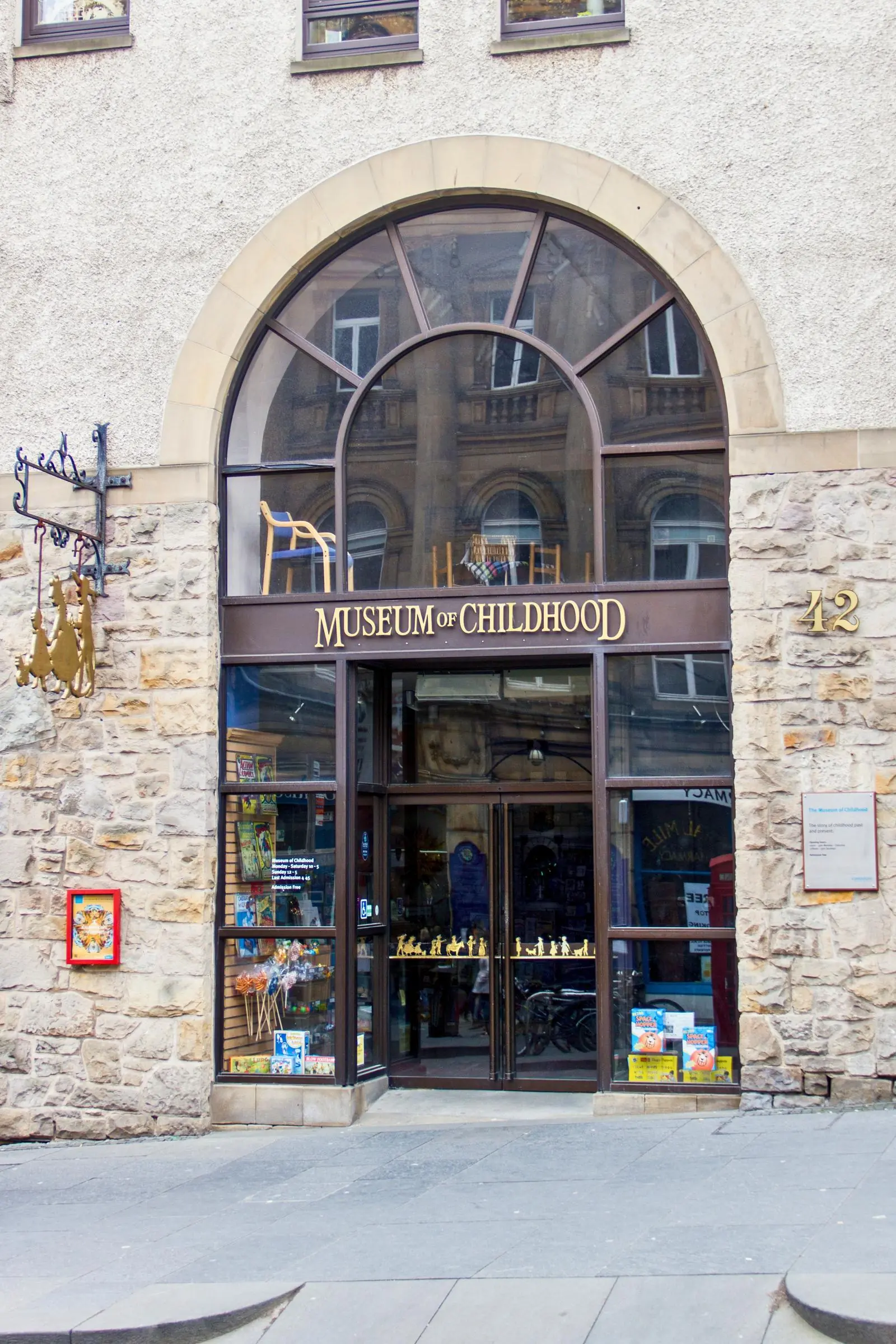
Walking down the cobblestones of Edinburgh’s Royal Mile, it’s easy to get overwhelmed by the sheer volume of tartan shops, bagpipers, and historic closes. But tucked away at 42 High Street is a completely different kind of history. The Museum of Childhood is the world’s first museum dedicated entirely to the history of growing up.
Opened in 1955 by Patrick Murray—an eccentric local councillor who ironically wasn’t particularly fond of children but was fascinated by their artifacts—the museum is a multi-floor time capsule. It houses everything from creepy Victorian porcelain dolls to 1980s action figures.
Because it sits right in the middle of the Old Town and charges no entry fee, it’s a highly popular stop. This guide will help you navigate the five most interesting retro collections, understand the logistics of visiting, and figure out how to keep modern, screen-adapted kids entertained in a museum where most of the toys are trapped behind glass.
Logistics & Free Admission Parameters
The Museum of Childhood is one of Edinburgh’s council-run museums, which means general admission is completely free. You do not need to book tickets in advance to walk through the doors.
However, “free” comes with a few practical caveats:
- Donations are heavily encouraged: There are donation boxes near the entrance and exit. A contribution of £3 to £5 per person helps keep the lights on and the exhibits maintained.
- Operating Hours: The museum typically opens from 10:00 AM to 5:00 PM. During the quieter winter months (November to March), it often closes on Tuesdays and Wednesdays. Always check the official Edinburgh Museums website before your trip.
- Crowds: Because it is free and located on the busiest tourist street in Scotland, it gets incredibly crowded on rainy afternoons. If you want to actually read the display plaques without being jostled, go right when they open at 10:00 AM.
The Museum of Childhood is free, but it sits directly adjacent to another major piece of Royal Mile history: John Knox House. Since you’re already on this block, it makes sense to see both.
Advice for Different Traveler Types
Not everyone visits a toy museum for the same reasons. Here is how to approach the building based on your travel style.
For Families with Young Kids
Modern children are used to interactive, tactile experiences. The Museum of Childhood is primarily an observational museum—meaning thousands of toys are locked inside glass display cases. To prevent meltdowns, head straight to Gallery 1 on the ground floor. This area was recently refurbished and includes a hands-on dress-up area, a puppet theater, and interactive optical illusions. Let them burn off energy here before attempting to walk them through the older, glass-encased galleries upstairs (and if you are planning more family outings, an Edinburgh Harry Potter private walking tour or an Alnwick Castle and Scottish Borders day tour to see the real Hogwarts filming locations are huge hits with kids).
For Budget Travelers
This is one of the best free things to do in Edinburgh. You can easily spend an hour here without spending a penny. If you are trying to stretch your budget, pair this with a free walk up Calton Hill or a self-guided stroll through the nearby closes.
For the Time-Poor
If you only have 30 minutes before your Royal Mile Guided Walking Tour begins, skip the ground floor entirely. Walk straight up the stairs to Gallery 3 and 4. This is where the most visually striking items (the automata and the mid-century board games) are located. You can do a brisk walk-through of the upper floors in about 25 minutes and get a strong sense of the collection.
Deep-Dive: 5 Specific Retro Collections
The museum’s collection spans the 18th to the 21st centuries. Rather than trying to look at every single toy car, focus your attention on these five specific curatorial deep-dives.
1. The Antique Toys Gallery
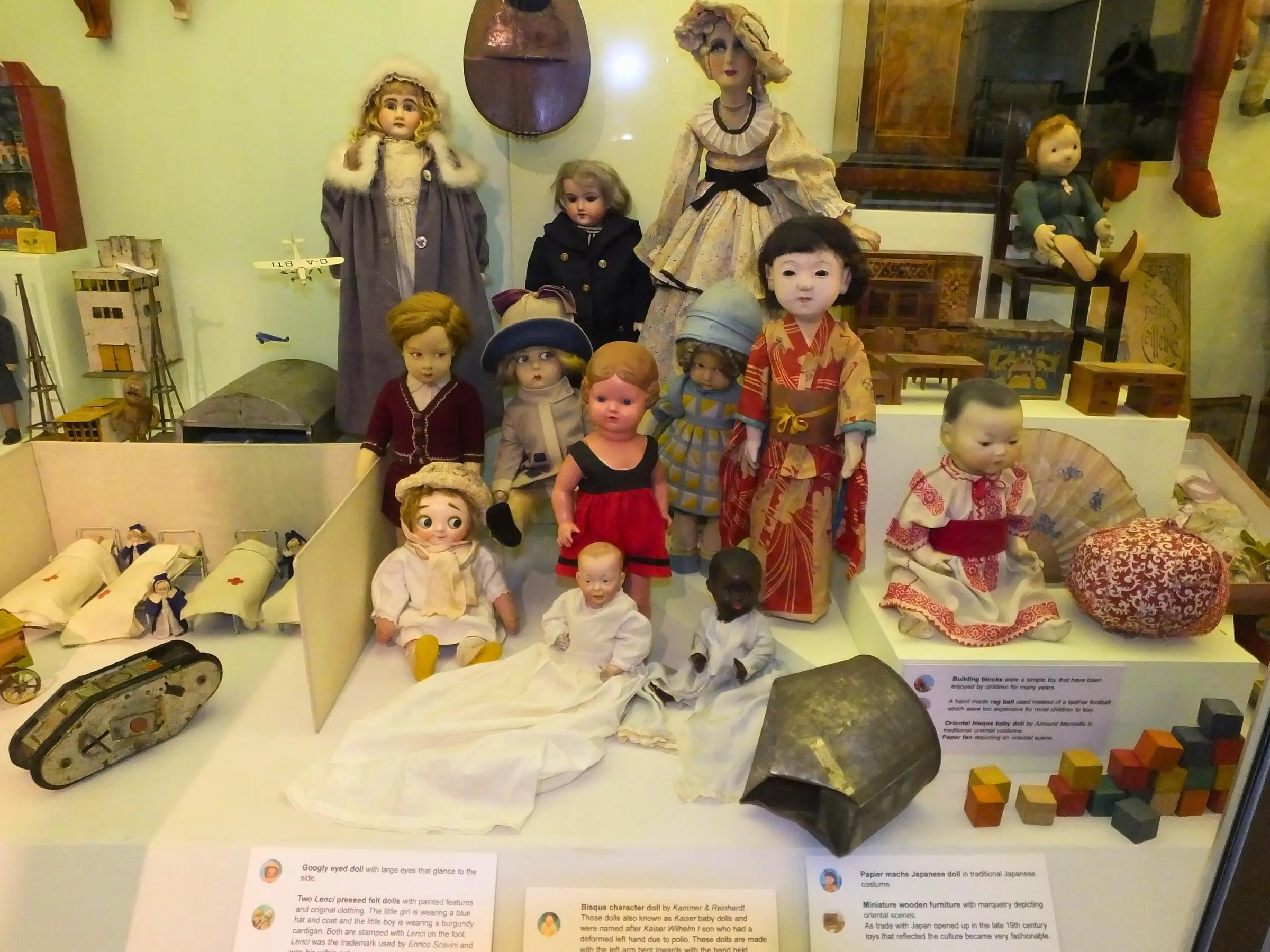
Located on the upper floors, this gallery is equal parts fascinating and slightly unsettling. The Victorian era viewed children as miniature adults, and their toys reflected this.
- The Queen Anne Doll: Look for the rare wooden dolls dating back to the 1740s. Their painted faces and stiff joints are a stark contrast to modern plush toys.
- Early Steiff Bears: Before the teddy bear became a soft, cuddly staple, early German Steiff bears had long snouts, stiff limbs, and boot-button eyes.
- Tin Soldiers: The museum houses massive dioramas of hand-painted lead and tin soldiers, reflecting the militaristic focus of boys’ toys in the 19th and early 20th centuries.
2. Historic Transition Apparel
This isn’t just a toy museum; it’s a museum of childhood. The clothing collection shows a brilliant, visual timeline of how society’s view of children evolved. In the 1800s displays, you’ll see heavily boned corsets designed for young girls and restrictive, heavy wool suits for boys. As you move through the timeline into the 1920s and 1930s, you can physically see the invention of “play clothes”—rompers, sailor suits, and flexible cotton dresses that finally allowed children to run and get dirty.
3. Mid-Century Board Games
For visitors over the age of 40, this section is a pure nostalgia hit. The museum has preserved pristine editions of post-WWII board games. You’ll find early, wooden-piece editions of Monopoly, original Scrabble sets, and highly specific, bizarre 1950s games based on Cold War espionage or early space exploration. It is a fascinating look at how board games were used to teach mid-century social values, capitalism, and family dynamics.
4. Mechanical Moving Toys (Automata)
Before batteries, toys relied on tension, springs, and gravity. The automata collection features intricate clockwork toys from the late 19th and early 20th centuries. Keep an eye out for the mechanical monkeys, clockwork trains, and the penny-arcade style machines. While they aren’t running constantly (to preserve their delicate internal gears), the museum has video screens next to the most famous pieces showing them in action. The craftsmanship required to build a clockwork bird that flaps its wings and sings is staggering.
5. Childhood Memory Soundboards
One of the most overlooked but brilliant parts of the museum is the audio collection. Scattered through the galleries are interactive soundboards. Put the speakers to your ear to hear recordings of 1930s schoolyard chants, 1950s street game rhymes, and oral histories of Edinburgh locals describing what it was like to grow up in the cramped, smoky tenements of the Old Town. It grounds the plastic and wood toys in real human history.
Family Navigation Tips
Visiting a multi-story historic building with kids requires a bit of tactical planning.
- Stroller Logistics: The museum is housed in two merged historic buildings. While there is an elevator to help you bypass the stairs, the corridors are narrow, and the galleries get cramped. If you have a baby carrier, use it instead of a bulky stroller. There is a small, designated buggy park on the ground floor, but space is highly limited.
- Bathrooms: The toilets are located on the ground floor and include baby changing facilities. Use them before heading upstairs, as navigating back down through the crowds can be frustrating.
- Snacks and Food: No food or drink is allowed in the galleries. However, you are right on the Royal Mile. If the kids need a bribe for good behavior, the famous Fudge Kitchen is just a two-minute walk up the street.
- Attention Spans: Do not force kids to look at every display. Turn it into a scavenger hunt. Ask them to find the oldest teddy bear, a toy that looks like something they own, and the weirdest doll in the building.
Museum of Childhood Quick Facts
General Admission
- 100% free entry, no booking required.
- Suggested donation of £3 - £5.
John Knox House
- Located immediately next door.
- Explore one of Edinburgh’s oldest surviving medieval houses.
What to Do Afterward
Because the Museum of Childhood usually only takes about an hour to explore, it fits perfectly into a larger Royal Mile itinerary.
If you want to continue the historical deep dive, John Knox House is literally steps away. For a broader view of the city’s dark history, you are a short walk from the Blair Street Underground Vaults or The Real Mary King’s Close.
If you prefer to stay above ground, you can catch the Edinburgh Hop-On Hop-Off Bus just a few blocks away on Waverley Bridge, which will take you toward the New Town or up to Edinburgh Castle.
Keep Planning: If you are building a full itinerary, check out our guide on How to Spend 3 Days in Edinburgh to see how the Royal Mile fits into a broader trip.
Where to Stay Near the Museum
Staying near the Museum of Childhood puts you right in the center of the action. The Royal Mile is incredibly convenient, though it can be noisy during the summer festival season. Use the map below to find hotels and apartments within walking distance of the museum.
Frequently Asked Questions
How long does it take to go through the Museum of Childhood?
Most visitors spend between 45 minutes and 1.5 hours here. If you are just browsing the highlights, you can easily do it in under an hour. If you stop to read the historical plaques and listen to the audio soundboards, plan for 90 minutes.
Is the Museum of Childhood wheelchair accessible?
Yes, mostly. Despite being in a historic building, there is an elevator that provides access to the upper floors, and there are accessible toilets on the ground floor. However, some of the display spaces can feel a bit tight when the museum is at peak capacity.
Do I need to book tickets in advance?
No. The museum is free to enter and operates on a walk-in basis. During the busy August Fringe Festival, you might have to wait a few minutes at the door if the building reaches fire capacity, but generally, you can walk right in.
Are there interactive exhibits for toddlers?
Yes. While the upper floors are mostly glass display cases, Gallery 1 on the ground floor features a dedicated interactive zone with a dress-up area, a puppet theater, and hands-on activities designed specifically for younger children.
Is there a cafe inside the museum?
No, the Museum of Childhood does not have an on-site cafe. However, because it is located on the Royal Mile, there are dozens of coffee shops, pubs, and bakeries within a two-minute walk in any direction.
Can I donate my old toys to the museum?
The museum does accept donations to their collection, but they have very strict curatorial guidelines. You cannot just drop off a box of old toys at the front desk. You must contact their collections team via the Edinburgh Museums website to see if your items fill a gap in their archives.